
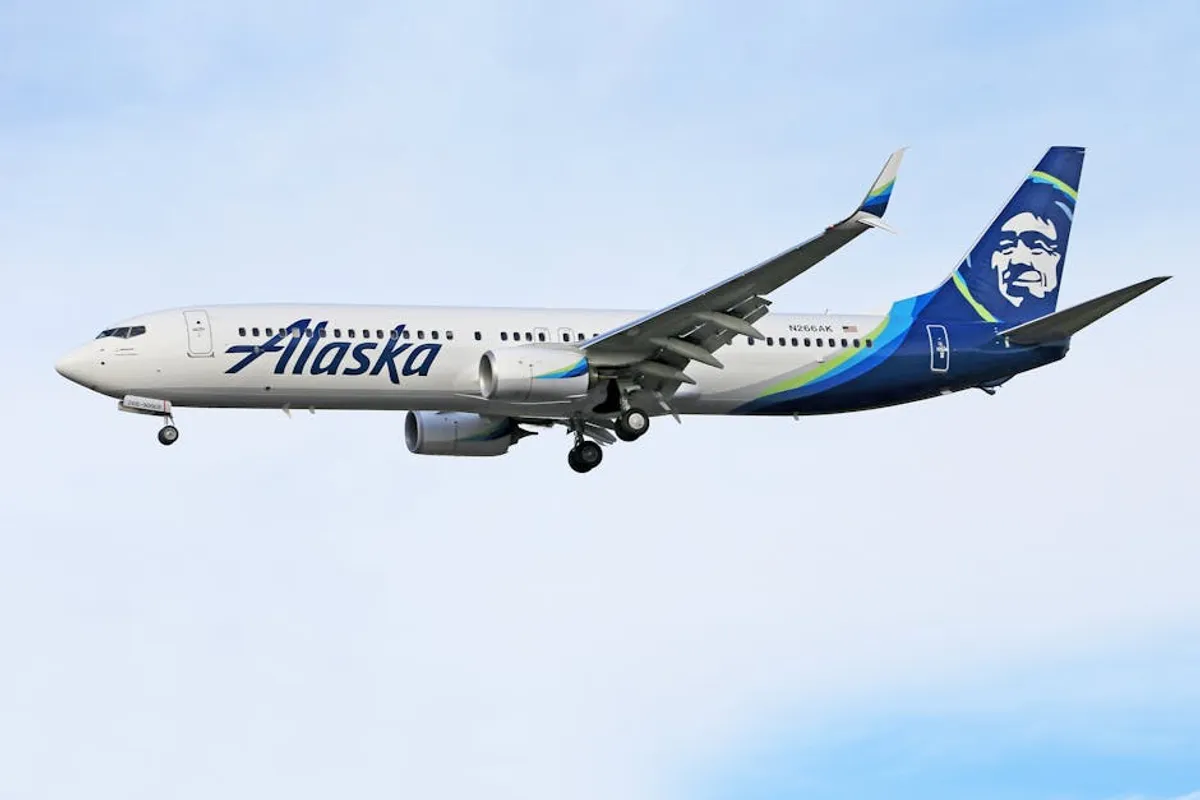
Navigating air travel requires understanding the specific offerings and operational nuances of your chosen airline. Alaska Airlines, recognized for its strong West Coast presence and customer service, operates a distinct network and loyalty program. This guide details their routes, fare structures, in-flight experience, and Mileage Plan benefits, providing a comprehensive overview for travelers considering or frequently flying with the carrier.
Understanding the Alaska Airlines Network and Destinations
Alaska Airlines primarily serves the West Coast of the United States, including extensive routes within Alaska, Hawaii, and Mexico, alongside a growing presence in transcontinental and East Coast markets. Their strategic focus allows for frequent service and direct connections in key regions.
Key Hubs and Regional Focus
The airline's primary operational hubs are concentrated in the Pacific Northwest, with Seattle-Tacoma International Airport (SEA) serving as its largest base. Other significant operational centers include Portland International Airport (PDX), Anchorage's Ted Stevens Anchorage International Airport (ANC), San Francisco International Airport (SFO), and Los Angeles International Airport (LAX). These hubs facilitate connections across their network, particularly for routes to smaller regional airports in Alaska and the contiguous U.S. West.
Alliance and Partner Airlines
Alaska Airlines joined the Oneworld alliance in March 2021, significantly expanding its global reach. This membership allows Mileage Plan members to earn and redeem miles on all Oneworld member airlines, including British Airways, Cathay Pacific, Finnair, Iberia, Japan Airlines, Qantas, and Qatar Airways. Beyond Oneworld, Alaska maintains individual partnerships with airlines such as Singapore Airlines and Icelandair, offering additional earning and redemption opportunities for specific routes not covered by the alliance. This network integration provides access to over 1,000 destinations in 160 countries.
Booking and Fare Classes Explained
Alaska Airlines offers several fare classes designed to cater to different traveler needs and budgets. Understanding these distinctions is crucial for selecting the most appropriate option.
Saver, Main, and First Class Differentiators
- Saver: This is Alaska's basic economy offering. It provides the lowest fare but comes with restrictions. Passengers cannot select their seat in advance (assigned at check-in), are among the last to board, and changes or cancellations are not permitted after a 24-hour grace period, except for a credit for future travel with a fee. Carry-on bags are allowed, but overhead bin space is not guaranteed.
- Main: The standard economy fare. Main cabin tickets include advance seat selection, standard boarding, and the flexibility to change or cancel flights for a credit, often without a fee depending on the fare rules and timing. A carry-on bag and personal item are included.
- First Class: Offers premium seating, enhanced meal service, complimentary alcoholic beverages, priority boarding, and two free checked bags. First Class passengers also benefit from dedicated check-in lines and expedited security at some airports.
Best for:
- Saver: Budget-conscious travelers with minimal luggage and flexible travel times.
- Main: Most leisure and business travelers seeking standard amenities and flexibility.
- First Class: Travelers prioritizing comfort, space, and premium services.
Maximizing Value with the Alaska Airlines Visa Signature Card
The Alaska Airlines Visa Signature Card is a notable tool for frequent flyers. Cardholders typically receive an annual Companion Fare, allowing a second passenger to fly for a discounted rate (plus taxes and fees) on the same itinerary. Other benefits often include a free checked bag for the cardholder and up to six companions on the same reservation, priority boarding, and increased mileage earning rates on Alaska Airlines purchases. These benefits can significantly offset travel costs, especially for those who travel with companions or check luggage regularly.
Essential Travel Tips for Flying Alaska
Optimizing your travel experience with Alaska Airlines involves understanding their operational specifics and leveraging available tools.
Baggage Policies and Fees
Alaska Airlines generally allows one carry-on bag and one personal item per passenger free of charge. Carry-on bags must fit in the overhead bin (maximum dimensions 22" x 14" x 9"). Checked baggage fees apply for Main and Saver fares; the first checked bag typically costs $35, and the second $45, with higher fees for additional or overweight/oversized bags. Mileage Plan elite members and Alaska Airlines Visa Signature cardholders often receive free checked bags, which can lead to substantial savings over multiple trips.
In-Flight Experience
Alaska Airlines provides a consistent in-flight experience across its fleet. Most aircraft offer satellite-based Wi-Fi for purchase, with free texting available. In-flight entertainment is accessible via personal devices through the "Alaska Beyond Entertainment" portal, offering a selection of movies and TV shows, often free of charge. Main Cabin passengers can purchase snacks and alcoholic beverages, while First Class includes complimentary options. Power outlets are available at most seats on newer aircraft and in First Class.
Navigating Connections and Delays
The Alaska Airlines mobile app is a critical resource for managing travel. It provides real-time flight status updates, gate changes, and boarding notifications. In case of delays or cancellations, the app can often facilitate rebooking. For more complex issues, direct contact with customer service via phone or airport agents is recommended. Alaska Airlines generally adheres to a policy of rebooking passengers on the next available flight if a delay or cancellation is within their control, and provides compensation (e.g., meal vouchers, hotel stays) as required by regulations for significant disruptions.
Pro Tip: For critical connections, especially during peak travel seasons or adverse weather, consider booking itineraries with at least a 90-minute layover. This provides a buffer against minor delays and allows sufficient time to navigate larger airports like Seattle (SEA) or Los Angeles (LAX) between gates.
The Mileage Plan Loyalty Program
Alaska Airlines' Mileage Plan is consistently rated highly for its value and flexibility, particularly due to its distance-based earning and redemption structure on many partner flights.
Earning Miles
Miles are earned through flying Alaska Airlines and its Oneworld and independent partners. Earning rates vary by fare class and operating airline; for instance, premium cabins on partners often earn a higher percentage of miles flown. Beyond flights, miles can be accrued through the Alaska Airlines Visa Signature card, purchases with Mileage Plan shopping and dining partners, and hotel stays or car rentals booked through specific partners.
Redeeming Miles
Mileage Plan miles can be redeemed for flights on Alaska Airlines and its partner network, starting from as few as 5,000 miles for short-haul flights. Redemption values are dynamic for Alaska-operated flights, while partner redemptions often follow a fixed award chart based on region and cabin class. Miles can also be used for upgrades (when available), car rentals, and hotel stays, though flight redemptions typically offer the best value.
Elite Status Tiers and Benefits
Mileage Plan offers three elite status tiers: MVP, MVP Gold, and MVP Gold 75K. Status is earned based on eligible miles flown or segments on Alaska and select partners within a calendar year. Benefits include complimentary upgrades, bonus miles on flights, priority check-in and boarding, lounge access (for MVP Gold and 75K on Oneworld international itineraries), and waived baggage fees. MVP Gold 75K members also receive a complimentary Gogo Inflight Internet pass and four one-way guest upgrades.
Specific Services and Considerations
Beyond standard travel, Alaska Airlines offers particular services for diverse traveler needs.
Pet Travel Policy
Alaska Airlines allows small pets (dogs and cats) to travel in the cabin in an approved carrier that fits under the seat in front of you, for a fee. Larger animals can be transported as checked baggage or cargo, subject to specific temperature restrictions, crate requirements, and breed limitations. It is essential to review their detailed pet policy well in advance of travel due to strict regulations and limited availability per flight.
Special Assistance
The airline provides comprehensive assistance for passengers with disabilities, including wheelchair services, assistance with boarding and deplaning, and accommodations for service animals. They also offer services for unaccompanied minors aged 5-17, with specific fees and procedures. It is recommended to notify Alaska Airlines of any special assistance needs at the time of booking or at least 48 hours before departure to ensure arrangements can be made.
Club 49 for Alaska Residents
For residents of Alaska, the Club 49 program offers exclusive benefits, including two free checked bags on flights within and to/from Alaska, weekly fare sales specifically for Alaska residents, and a discount on freight services. This program is designed to support the unique travel needs of Alaskans, providing tangible value for frequent intra-state and inter-state travel.
Actionable Takeaways for Your Next Alaska Airlines Journey
To maximize your Alaska Airlines travel experience, consider these points: leverage the mobile app for real-time updates and rebooking flexibility; understand the fare class you purchase to manage expectations regarding seat selection and change fees; and explore the benefits of the Mileage Plan, especially if you fly frequently or can utilize the Companion Fare. Planning ahead for baggage, pet travel, or special assistance ensures a smoother journey.
Frequently Asked Questions About Alaska Airlines Travel
Q: Can I change my Alaska Airlines flight without a fee?
A: Main and First Class tickets generally allow changes without a fee, though fare differences may apply. Saver fares are typically non-changeable after 24 hours from booking, except for a credit with a fee.
Q: How do I earn elite status with Alaska Airlines?
A: Elite status (MVP, MVP Gold, MVP Gold 75K) is earned by flying a specific number of eligible miles or segments on Alaska Airlines and select partners within a calendar year.
Q: Does Alaska Airlines offer Wi-Fi on all flights?
A: Most Alaska Airlines aircraft offer satellite-based Wi-Fi for purchase, with free texting available. However, availability can vary by aircraft type and route.
Q: What are the benefits of the Alaska Airlines Companion Fare?
A: The Companion Fare, often provided with the Alaska Airlines Visa Signature Card, allows a second passenger to fly on the same itinerary for a discounted base fare (plus taxes and fees), offering significant savings for two travelers.