
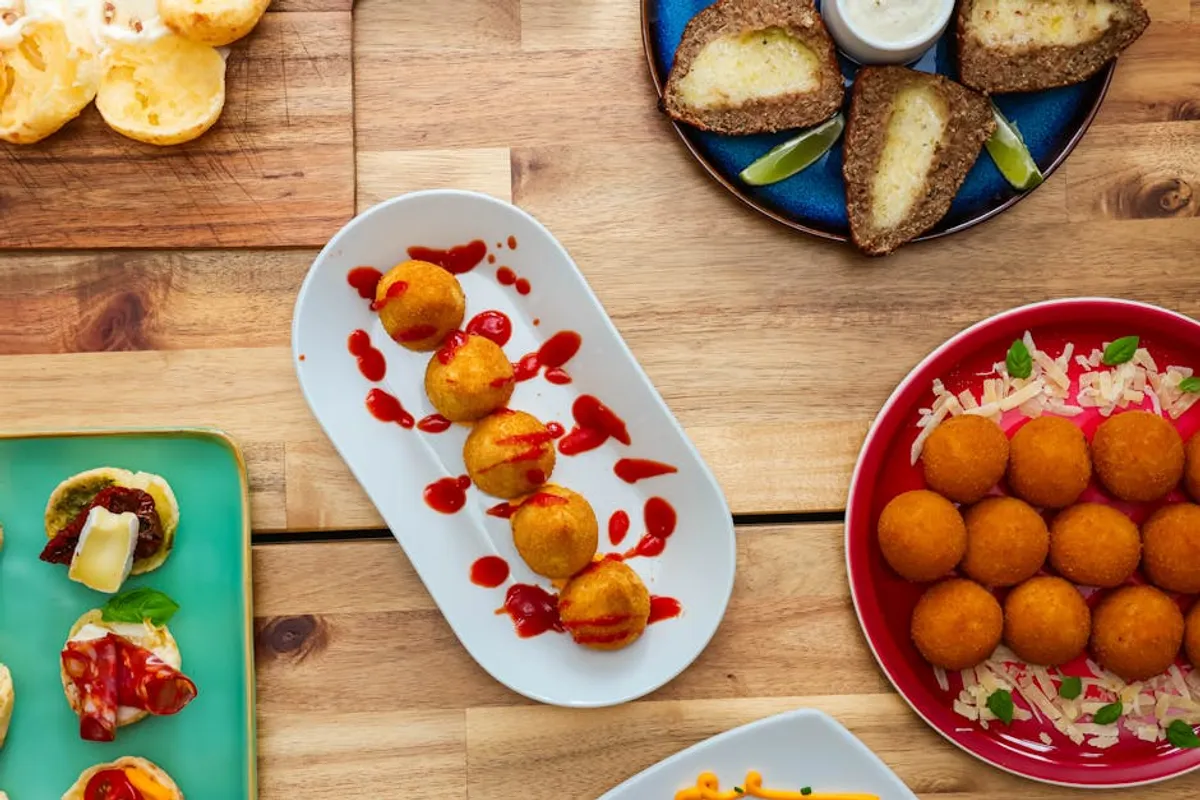
Engaging with Brazil's culinary landscape offers a direct pathway into its diverse cultures and regional identities. For any traveler, understanding the local food scene is not merely about sustenance; it is a critical component of the travel experience itself, shaping itineraries and enriching interactions. This guide provides a detailed overview of Brazilian food, focusing on essential dishes, regional variations, and practical advice for navigating dining experiences across the country.
Regional Culinary Landscapes
Brazil's vast geography directly influences its food. Each region presents a distinct culinary profile shaped by historical migration patterns, indigenous ingredients, and climate. Comprehending these regional differences is key to appreciating the full scope of Brazilian gastronomy.
Northeast: Bahia and Beyond
The Northeast, particularly Bahia, is characterized by its strong African influence. Dishes here often feature palm oil (dendê), coconut milk, and seafood. The flavors are typically rich, aromatic, and sometimes spicy, a departure from the milder palates found elsewhere. Ingredients like dried shrimp, okra, and cashews are staples. This region's cuisine offers a vibrant sensory experience, distinct from the rest of the country.
Southeast: São Paulo, Rio de Janeiro, Minas Gerais
The Southeast is Brazil's economic heartland and a melting pot of culinary traditions. São Paulo is renowned for its diverse immigrant cuisines, including Italian and Japanese, alongside traditional Brazilian fare. Rio de Janeiro embraces a more relaxed, beach-centric food culture with fresh seafood and street snacks. Minas Gerais stands out for its rustic, farm-to-table approach, focusing on pork, cheese, and slow-cooked dishes, often utilizing wood-fired ovens. The emphasis here is on comfort food and hearty portions.
South: Rio Grande do Sul, Santa Catarina, Paraná
The South exhibits strong European influences, particularly from Germany and Italy, alongside the region's cowboy (gaúcho) traditions. Churrasco (barbecue) is paramount, featuring various cuts of meat cooked over open flames. The climate also supports dairy farming, leading to a prevalence of cheese and milk products. This area offers a meat-centric experience, often accompanied by polenta, pasta, and strong wines.
North and Central-West: Amazonian Flavors
The North, centered around the Amazon basin, relies heavily on indigenous ingredients like freshwater fish, exotic fruits (cupuaçu, açaí, taperebá), and root vegetables (manioc/cassava). The cuisine is often lighter, with an emphasis on fresh, natural flavors. The Central-West, a vast agricultural region, blends influences from neighboring areas, featuring beef, fish from its extensive river systems, and a variety of corn-based dishes. These regions provide a unique insight into Brazil's natural biodiversity through their culinary offerings.
Essential Dishes to Seek Out
While regional variations abound, certain dishes are nationally recognized and should be prioritized for a comprehensive culinary tour.
- Feijoada Completa: A rich stew of black beans with various cuts of pork and beef, typically served with rice, farofa (toasted cassava flour), collard greens, and orange slices. Traditionally consumed on Wednesdays and Saturdays, it's a communal dish reflecting Brazil's history.
- Moqueca: A seafood stew, with notable variations from Bahia (Moqueca Baiana, using palm oil and coconut milk) and Espírito Santo (Moqueca Capixaba, lighter, without palm oil). It’s slow-cooked in a clay pot, preserving the delicate flavors of fish and shrimp.
- Pão de Queijo: Small, chewy cheese bread rolls made from tapioca flour, making them naturally gluten-free. A ubiquitous snack, especially popular for breakfast or as an accompaniment to coffee.
- Açaí na Tigela: A thick, frozen purée of açaí palm fruit, often topped with granola, bananas, and other fruits. Originally from the Amazon, it's now a popular, refreshing snack or light meal nationwide, particularly in coastal areas.
- Churrasco: Brazilian barbecue is an experience, not just a meal. Various cuts of meat (picanha, alcatra, costela) are skewered and grilled over charcoal. Often served rodízio-style in churrascarias, where waiters continuously bring different meats to the table.
- Brigadeiro: A traditional Brazilian truffle, made from condensed milk, cocoa powder, butter, and covered in chocolate sprinkles. A staple at celebrations and a popular sweet treat.
Pro Tip for Dining: When selecting a restaurant, observe the local clientele. Establishments frequented by Brazilians often signify authentic flavors and fair pricing, especially for regional specialties. Avoid restaurants that appear overtly geared towards tourists, as they may compromise authenticity for broader appeal or inflate prices.
Navigating Dining Experiences
Understanding the different types of eateries and dining customs can enhance your experience and help manage expectations.
Restaurant Types
Rodízio: Common for churrascarias and pizzerias, this all-you-can-eat style involves waiters bringing food directly to your table. For churrasco, you'll typically have a two-sided card (green for "more meat," red for "stop"). This offers excellent value for those with large appetites.
Por Quilo (Per Kilo): Self-service buffets where you pay by the weight of your plate. These are prevalent for lunch, offering a wide variety of hot and cold dishes at reasonable prices. Ideal for trying multiple items and controlling portion sizes.
Botecos: Informal bars serving inexpensive drinks and petiscos (appetizers/tapas). They are social hubs, perfect for experiencing local culture and trying small, flavorful bites like pastéis (fried pastries), coxinhas (chicken croquettes), and bolinhos de bacalhau (codfish fritters).
Lanchonetes: Casual snack bars offering sandwiches, juices, coffee, and quick bites like pão de queijo. Great for a quick breakfast or afternoon snack.
Payment and Tipping
Credit and debit cards are widely accepted, but it's advisable to carry some cash for smaller establishments or street vendors. A 10% service charge is often included in the bill at restaurants (serviço). If not included, or for exceptional service, an additional 5-10% tip is appreciated.
Practical Tips for Food Travelers
Maximizing your culinary journey requires a few practical considerations beyond just what to eat.
Street Food Safety
While often delicious, exercise caution with street food. Opt for vendors with high turnover, visible cooking processes, and clean preparation areas. Fried items are generally safer. Freshly peeled fruits or bottled drinks are preferable to cut fruits or tap water.
Dietary Considerations
Vegetarianism and veganism are gaining traction, especially in larger cities, but options can still be limited in traditional restaurants. Look for por quilo restaurants for more control over ingredients. For allergies, having a translated note explaining your dietary needs can be very helpful, as English proficiency varies.
Language Barrier
Learning a few basic Portuguese food phrases will significantly enhance your dining experience. Phrases like "sem pimenta" (without chili), "sem carne" (without meat), or "água sem gás" (still water) are useful. Many menus in tourist areas may have English translations, but relying on them exclusively limits your options.
Maximizing Your Culinary Journey
Brazil's food scene is as expansive and vibrant as its landscape. Approach it with an open mind and a willingness to explore beyond the familiar. Each dish tells a story of heritage, environment, and innovation. By engaging with the regional specialties and understanding local dining customs, travelers can unlock a deeper, more authentic connection to the country and its people. The true essence of Brazilian travel is often found at the intersection of flavor and culture.
Frequently Asked Questions About Brazilian Food
Is Brazilian food generally spicy?
No, Brazilian food is not typically spicy. While some regional dishes, particularly from the Northeast (like Moqueca Baiana), use a mild chili oil (azeite de dendê) or chili peppers, the overall cuisine emphasizes savory, rich, and fresh flavors rather than heat. Most dishes are mild, and chili sauce is usually offered as an optional condiment.
What are common Brazilian breakfast foods?
A typical Brazilian breakfast (café da manhã) often includes fresh fruit, pão de queijo (cheese bread), various types of bread with butter or cheese, ham, coffee with milk (café com leite), and fresh fruit juices. In some regions, tapioca (crepes made from cassava starch) with sweet or savory fillings is also popular.
Are there good options for vegetarians in Brazil?
While traditional Brazilian cuisine is often meat-centric, vegetarian options are increasingly available, especially in larger cities and at por quilo (pay-by-weight) restaurants, which offer a wide array of salads, vegetables, rice, and beans. Look for dishes based on vegetables, cheese, or eggs. Learning to ask "sem carne" (without meat) is helpful.
What is "farofa" and how is it eaten?
Farofa is toasted cassava flour, often mixed with butter, bacon, eggs, or other ingredients. It's a staple side dish served with many meals, especially feijoada and churrasco. Brazilians typically sprinkle it over their food to add texture and absorb juices, enhancing the overall flavor and experience of the main dish.