The Easter season presents a significant commercial opportunity for businesses ranging from independent crafters and educators to retail brands and event organizers. Consumer interest in seasonal decorations, unique gifts, and engaging activities for children peaks in the weeks leading up to the holiday. Developing a strategic approach to Easter craft ideas can translate directly into increased engagement, workshop bookings, product sales, or content monetization. This guide outlines actionable strategies for identifying high-demand craft concepts, optimizing material sourcing, and effectively commercializing your offerings to capture a share of this annual market.
Understanding the Demand for Easter Crafts
The market for Easter-themed products and activities is driven by a desire for tradition, celebration, and family engagement. Businesses that align their craft offerings with these consumer motivations can capitalize on predictable seasonal spending. Success hinges on understanding who your primary audience is and what specific needs they seek to fulfill through craft purchases or participation.
Key Audience Segments
Targeting specific demographics allows for more precise product development and marketing efforts. Consider these primary groups:
- Parents and Guardians: Seek engaging, safe, and relatively easy craft activities for children, often looking for pre-packaged kits or drop-in workshops that provide entertainment and a tangible take-home item.
- Home Decor Enthusiasts: Look for sophisticated or rustic Easter-themed decor items that complement existing home aesthetics, including centerpieces, wreaths, and decorative accents. They may purchase finished goods or high-quality DIY kits.
- Gift Givers: Interested in unique, handmade, or personalized items suitable for Easter baskets or as small tokens of appreciation. Emphasis is on perceived value and thoughtful presentation.
- Educators and Event Planners: Require bulk supplies or activity ideas for school events, community gatherings, or themed parties. Focus here is on scalability, cost-effectiveness, and ease of implementation for groups.
Curated Craft Ideas for Diverse Audiences
Effective Easter craft offerings are diverse, catering to varying skill levels, time commitments, and aesthetic preferences. Prioritize ideas that offer clear commercial pathways, whether through direct sales, workshop facilitation, or content creation.
Engaging Options for Children and Families
Crafts for this segment should prioritize simplicity, safety, and a quick gratification factor. Materials should be non-toxic and easy to handle for small hands.
- Decorate-Your-Own Egg Kits: Provide plain wooden, paper-mâché, or ceramic eggs with paints, glitter, stickers, and brushes. Commercial potential: High-margin retail kit, ideal for online sales and local markets.
- Bunny or Chick Puppet Crafts: Simple felt cutouts, googly eyes, and glue sticks for creating finger or stick puppets. Commercial potential: Low-cost workshop activity for community centers or schools.
- Paper Plate Easter Baskets: Utilizing basic art supplies to create functional, decorative baskets. Commercial potential: Craft session for younger children, providing a takeaway item.
- Salt Dough Ornaments: Easy-to-make and bake dough shaped into bunnies, carrots, or eggs, then painted. Commercial potential: DIY kit with pre-measured ingredients and cookie cutters.
Elegant Decor for Seasonal Home Accents
This category targets consumers looking for aesthetically pleasing items to enhance their living spaces. Focus on quality materials and refined designs.
- Floral Easter Wreaths: Incorporate faux spring flowers, pastel ribbons, and small decorative eggs on a grapevine or foam base. Commercial potential: High-value finished product for boutique sales or advanced adult craft workshops.
- Tiered Tray Decor Sets: Small, coordinated items like mini ceramic bunnies, faux nests, and wooden signs. Commercial potential: Curated retail sets or individual components for custom assembly.
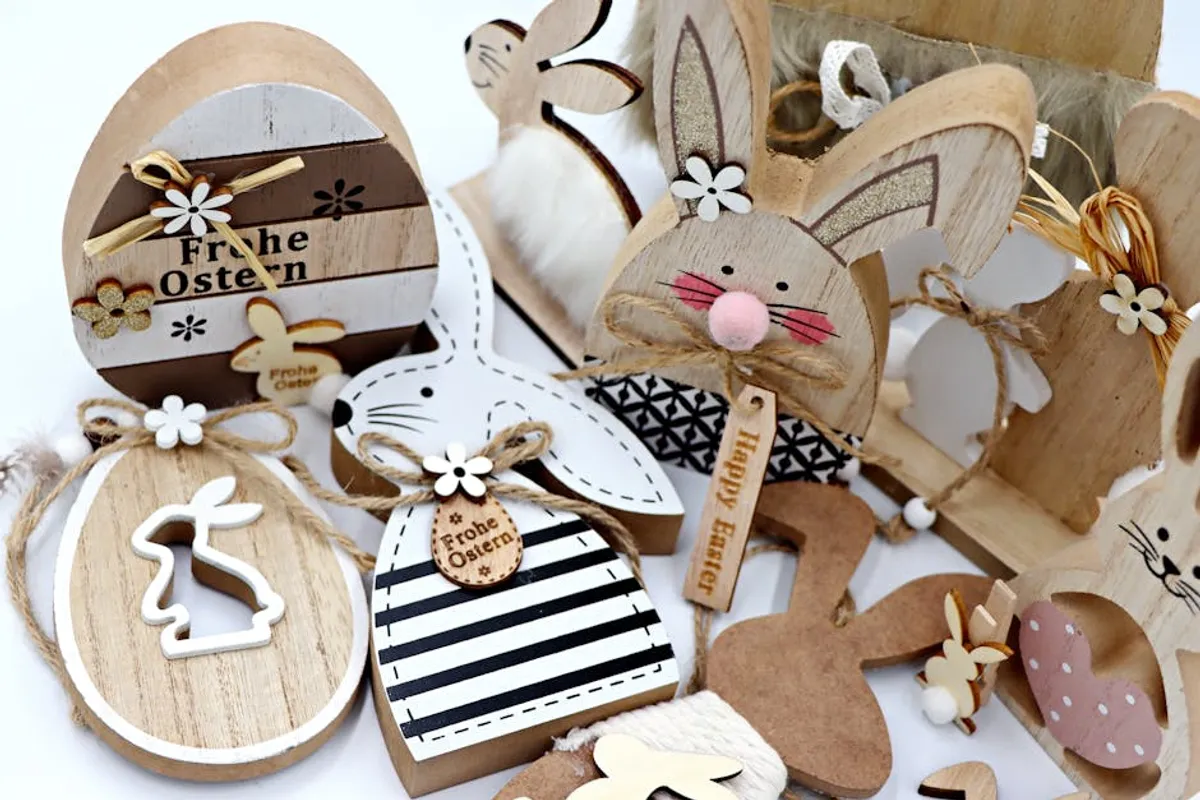
- Hand-Painted Wooden Signs: Featuring seasonal greetings or imagery. Commercial potential: Personalized commissions or DIY painting kits with stencils.
Handcrafted Gifts and Market Opportunities
Crafts suitable for gifting often involve a higher perceived value due to personalization or intricate detail. These are well-suited for artisan markets, online shops, or custom orders.
- Personalized Easter Baskets: Custom-embroidered fabric baskets or painted wooden crates. Commercial potential: Premium offering with customization options, attracting higher price points.
- Embroidered Tea Towels: Featuring spring motifs like bunnies, chicks, or floral designs. Commercial potential: Sellable finished goods for craft fairs and online stores.
- Hand-Poured Soy Candles: Scented with spring fragrances (e.g., lavender, lemon blossom) and presented in decorative jars. Commercial potential: Upscale gift item, often sold in sets.
Sourcing Materials and Managing Inventory
Efficient material sourcing is critical for profitability and consistent product quality. Bulk purchasing, supplier relationships, and inventory management directly impact your bottom line.
Cost-Effective Procurement Strategies
Identify reliable suppliers who offer competitive pricing for craft components. Consider both local craft stores for immediate needs and wholesale distributors for larger volumes.
Pro Tip: When sourcing materials for children's crafts, prioritize safety certifications (e.g., ASTM F963 for toys in the US, EN71 for Europe) for paints, glues, and small components. Clearly communicate these safety standards in product descriptions and marketing materials to build consumer trust and meet regulatory requirements.
Negotiate bulk discounts for frequently used items such as paints, brushes, glue, and basic craft blanks (wooden eggs, fabric pieces). For unique or specialty items, explore artisan suppliers or direct manufacturers to maintain product distinctiveness. Implement a lean inventory system to minimize waste and storage costs, especially for seasonal items with a limited sales window.
Commercializing Your Easter Craft Initiatives
Transforming craft ideas into revenue streams requires a clear commercialization strategy. This involves packaging, pricing, and distribution considerations tailored to your target market.
Workshop and Event Planning
Hosting craft workshops provides a direct revenue stream and builds community engagement. Structure workshops by age group or skill level, offering clear learning objectives and a finished product to take home. Package workshop fees to include all materials, instruction, and light refreshments if appropriate. Market these events through local community boards, social media, and partnerships with schools or parent groups.
Developing Retail-Ready Craft Kits
Pre-packaged DIY craft kits offer convenience for consumers and scalability for your business. Each kit should contain all necessary materials, clear step-by-step instructions (with visual aids), and a suggested age range. Focus on attractive packaging that highlights the finished product and simplifies the purchasing decision. Consider offering different price points, from basic kits to deluxe versions with premium materials.
Leveraging Content for Engagement and Sales
Create blog posts, video tutorials, or social media content demonstrating your Easter craft ideas. This content serves as a valuable resource for consumers and can drive traffic to your workshop bookings or product listings. Use high-quality imagery and clear instructions to showcase the appeal and feasibility of each craft. Integrate direct calls to action, guiding viewers to purchase kits, sign up for workshops, or explore finished products.
Promoting Your Easter Craft Offerings
Effective promotion during the critical pre-Easter window is essential for maximizing sales and participation. Utilize a multi-channel approach to reach your target audience where they are most active.
Seasonal Marketing Channels
Deploy targeted marketing campaigns across several platforms. Utilize social media (Instagram, Pinterest, Facebook) with visually appealing posts and reels showcasing finished crafts and behind-the-scenes creation. Run localized ads targeting demographics interested in family activities or home decor. Collaborate with local influencers or parenting blogs for sponsored content. Implement email marketing campaigns to your existing customer base, announcing new products, workshop schedules, and special promotions. Emphasize early bird discounts for workshops or bundle deals for craft kits to encourage pre-season purchases.
Implementing Your Easter Craft Strategy
Successful execution of your Easter craft strategy requires meticulous planning and a focus on customer experience. Begin planning material procurement and workshop schedules several months in advance to avoid supply chain issues. Develop clear marketing messages that highlight the unique value proposition of your crafts, whether it's customization, educational benefit, or aesthetic appeal. Continuously gather customer feedback to refine your offerings for subsequent seasons, ensuring your craft ideas remain fresh and relevant.
Frequently Asked Questions About Easter Crafts
What are the most popular Easter craft ideas for kids?
Popular choices include decorating eggs (real, wooden, or paper-mâché), creating bunny and chick figures from paper plates or felt, and making simple paper flower garlands. These options are generally low-cost, use basic supplies, and offer immediate, satisfying results for children.
How can I make my Easter crafts stand out commercially?
Focus on unique selling propositions such as personalization options (e.g., custom names on baskets), eco-friendly materials, or sophisticated design aesthetics for adult-oriented decor. High-quality packaging for kits and clear, inspiring instructions also elevate perceived value.
What materials are essential for starting an Easter craft business?
Begin with versatile, bulk-purchasable items like various types of paper (construction, cardstock), craft glue, child-safe paints, brushes, felt, pipe cleaners, and basic embellishments like googly eyes and pom-poms. For decor, consider floral wire, faux flowers, and plain wooden blanks.
When should I start promoting Easter craft products or workshops?
Initiate promotion typically 6-8 weeks before Easter. This allows sufficient time for customers to discover your offerings, make purchasing decisions, and sign up for workshops. Early bird discounts can incentivize pre-season bookings and sales.