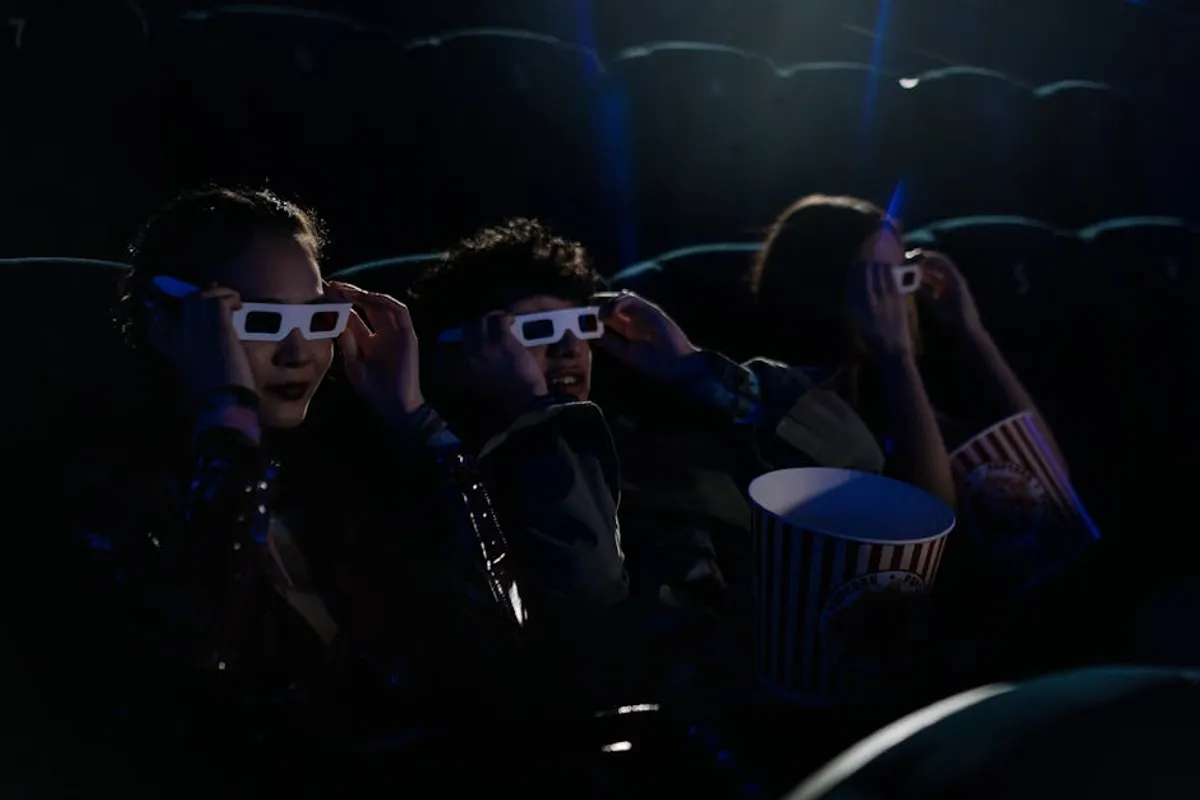
Planning a successful family movie night involves more than simply selecting a film. It requires a deliberate approach to align diverse preferences, manage expectations, and create an engaging experience that justifies the investment of time and effort. The objective is to produce a memorable event that fosters connection, minimizes friction, and offers a clear value proposition beyond passive viewing. This guide outlines strategic considerations and actionable ideas to structure a movie night that consistently delivers on its promise of quality family time. This thoughtful approach helps in establishing a consistent family routine that everyone can look forward to.
Establishing Your Family Movie Night Framework
Before diving into specific themes or film choices, establish a foundational framework. This involves understanding your audience, resource allocation, and logistical parameters. A structured approach ensures efficiency and reduces last-minute stress.
Defining Audience and Age Range
The primary factor influencing movie selection and accompanying activities is the age range and interests of your family members. A movie suitable for teenagers may not engage younger children, leading to disinterest or early departures. Conversely, overly simplistic choices can bore older participants. Consider the lowest common denominator for movie content and then build supplementary activities that cater to broader interests.
Best for: Maximizing engagement across all participants. Acknowledging age disparities allows for pre-screening films or planning parallel activities for different groups if necessary, though the goal should be shared enjoyment.
Budgetary Considerations
Family movie nights can range from free (using existing streaming subscriptions and homemade snacks) to a significant outlay (renting new releases, purchasing elaborate themed décor, or ordering takeout). Define your budget upfront to guide decisions on film acquisition, food, and any supplementary entertainment. This prevents overspending and ensures the experience is sustainable.
Practical application: Evaluate the cost-per-person for various options. For example, a streaming rental at $5-7 for a family of four is often more cost-effective than individual cinema tickets, and preparing snacks at home significantly reduces food expenses compared to delivery services.
Time Commitment and Schedule
Acknowledge the available time slot. Weeknight movie nights often require shorter films and simpler preparations due to school or work schedules. Weekend evenings allow for longer features, more elaborate themes, and extended pre/post-movie activities. Ensure the chosen film's runtime, plus any planned supplementary entertainment, fits comfortably within the designated window to avoid rushed endings or late bedtimes.
Key differentiator: Aligning the event's duration with family energy levels and obligations prevents burnout and ensures the movie night remains a positive, anticipated activity rather than a chore.
Thematic Movie Night Experiences
Moving beyond a simple "pick a movie" approach, thematic nights elevate the experience by integrating the film with food, décor, and activities. This creates a cohesive, immersive event that increases engagement and memorability.
Genre-Specific Themes
Selecting a genre provides a natural anchor for complementary elements. This simplifies decision-making for both the movie and the surrounding activities.
- Action-Adventure: Pair with popcorn served in "adventure packs" (small paper bags) and a pre-movie scavenger hunt related to the film's plot or setting.
- Animated Classics: Focus on comfort with blankets, pillows, and "character-inspired" snacks, such as blue cookies for a "Smurf" theme or green treats for "Shrek."
- Sci-Fi/Fantasy: Dim the lights, use glow sticks or string lights for ambiance, and create "alien" or "magical" beverages with food coloring and sparkling water.
- Mystery/Detective: Before the film, present a simple "case" for family members to solve, with clues hidden around the room. Serve "clue-d-o" themed snacks.
Value proposition: Thematic consistency enhances immersion, making the event feel more curated and special than a standard viewing session.
Holiday and Seasonal Themes
Leverage existing holidays or seasons to provide ready-made themes. This reduces the creative burden and taps into pre-existing family excitement.
Examples:
- Halloween: Spooky movies, "monster" snacks (e.g., hot dogs wrapped like mummies), and dim, eerie lighting.
- Christmas: Classic holiday films, hot cocoa bar with various toppings, and decorating gingerbread cookies during the movie.
- Summer Blockbuster: Outdoor projection (if feasible), picnic blankets, and easy-to-eat finger foods like mini sliders or fruit skewers.
Benefit: These themes offer a built-in sense of occasion, making the movie night a natural extension of seasonal celebrations.
Educational or Cultural Themes
Integrate learning or cultural exposure into movie nights. This can be particularly effective for older children or families looking to broaden their horizons.
Implementation: Select documentaries on topics of interest, foreign films (with subtitles or dubbed versions) that explore different cultures, or historical dramas. Follow up with a brief discussion about what was learned or observed.
Commercial utility: Positions movie night as an enriching activity, adding an intellectual return on investment alongside entertainment.
Enhancing the Viewing Environment
The physical setting and supplementary elements significantly impact the overall experience, transforming a simple film viewing into an event.
Snack and Beverage Strategy
Food is integral to the movie night experience. Plan snacks that are easy to eat, minimize mess, and align with the chosen theme or family preferences. Consider a "snack bar" where everyone can customize their treats.
Decision factors:
- DIY vs. Store-Bought: Homemade popcorn and cookies are cost-effective; pre-packaged snacks offer convenience.
- Healthy vs. Indulgent: Balance options to cater to different dietary preferences and promote variety.
Strategic advantage: A well-executed snack strategy minimizes interruptions and enhances enjoyment, contributing to perceived value.
Comfort and Ambiance
Optimizing the viewing space for comfort and atmosphere can significantly elevate the experience. This involves more than just turning on the TV.
Tactics:
- Seating: Incorporate extra blankets, pillows, and beanbags to create a cozy, relaxed environment.
- Lighting: Dim overhead lights and use indirect lighting (lamps, fairy lights) to create a cinematic feel and reduce glare.
- Temperature: Ensure the room is at a comfortable temperature, adjusting for potential changes as the evening progresses.
Outcome: A comfortable, inviting space encourages relaxation and full immersion in the film, making the event more appealing.
Pre- and Post-Movie Activities
Extend the movie night beyond the film itself. Pre-movie activities build anticipation, while post-movie discussions or games reinforce the shared experience.
Examples:
- Pre-Movie: Trivia related to the film, character guessing games, or a simple craft project linked to the theme.
- Post-Movie: Discuss favorite scenes, characters, or plot points. Play a board game or card game that complements the movie's genre.
Pro Tip: To avoid decision fatigue and ensure everyone feels heard, establish a rotating schedule for who gets to choose the movie or theme each week. This fosters ownership and prevents recurring conflicts over selections. Alternatively, use a simple poll or voting system to democratize the choice while setting clear parameters (e.g., genre, rating) beforehand.
Optimizing for Engagement and Repeat Success
Consistent, positive experiences are key to establishing family movie night as a cherished tradition. This requires a systematic approach to planning and execution.
- Involve everyone in the planning: Allow each family member to contribute ideas for movies, snacks, or themes on a rotating basis. This increases buy-in and anticipation.
- Keep it fresh: Rotate between different types of movie nights (e.g., classic films, new releases, themed events) to prevent monotony.
- Gather feedback: After each movie night, informally ask what everyone enjoyed most and what could be improved. Use this data to refine future plans.
- Document successes: Keep a simple log of successful movie nights, including the film, theme, and any memorable activities. This creates a valuable resource for future planning and helps recall positive experiences.
Crafting Your Ideal Family Movie Night
The most effective family movie nights are those that are intentionally designed to meet the specific needs and preferences of your household. By establishing clear parameters for audience, budget, and time, and then enriching the experience with thematic elements and an optimized viewing environment, you can consistently deliver engaging and memorable events. Focus on the strategic planning of the experience, not just the film itself, to ensure high satisfaction and foster a lasting tradition.
Frequently Asked Questions
How do we choose a movie everyone will agree on?
Implement a rotating selection system where each family member takes a turn choosing, or use a pre-approved list generated by polling everyone's top three choices. Setting genre or rating parameters beforehand can also narrow options effectively.
What are cost-effective snack ideas for a movie night?
Homemade popcorn, vegetable sticks with dip, fruit platters, and DIY s'mores (if appropriate for the setting) are budget-friendly options. Buying ingredients in bulk and preparing snacks yourself typically reduces costs compared to pre-packaged items or delivery.
How can we make movie night feel special without spending a lot?
Focus on ambiance: dimming lights, using extra blankets and pillows, and creating a "ticket booth" from cardboard. Thematic elements, like decorating with items already in the house or making simple crafts, add a special touch without significant expense.
What if family members have very different movie preferences?
Consider a "double feature" of shorter films, one catering to each preference, or choose a movie from a neutral genre that appeals broadly, like a classic animated film. Alternatively, dedicate specific movie nights to individual preferences on a rotating schedule.