Creating a dedicated playroom transforms a home, offering children a space tailored for exploration, learning, and imaginative play. This investment in a child's development also provides parents with a designated area to contain toys and creative chaos, simplifying home organization. The decision to establish a playroom involves more than just gathering toys; it requires thoughtful planning around space utilization, safety, and adaptability to a child's evolving needs. A well-designed playroom fosters independence, encourages creativity, and supports various stages of growth, from toddler sensory discovery to school-age project work.
Planning Your Playroom Space
Before selecting a single toy or piece of furniture, define the playroom's fundamental parameters. This initial planning phase ensures the space functions effectively and safely for its intended users.
Assessing Location and Size
The ideal location for a playroom balances accessibility with containment. A basement offers ample space and can absorb noise, but may require additional lighting and climate control. A spare bedroom provides a contained, often well-lit environment. Even a designated corner of a larger family room can serve as a functional play zone if space is at a premium. Consider factors like natural light, proximity to adult supervision, and potential for noise disruption to other household activities. A larger space allows for diverse activity zones, while a smaller area necessitates multi-functional furniture and efficient storage solutions.
Defining Purpose and Age Range
The primary users dictate the playroom's design. A playroom for toddlers will prioritize soft surfaces, sensory bins, and large motor skill development. For preschoolers, imaginative play, building blocks, and early art supplies take precedence. School-aged children benefit from spaces for reading, crafting, board games, and potentially a dedicated homework or project area. Design for flexibility, as children's interests and developmental stages change rapidly. Incorporating elements that can be swapped out or reconfigured is key to longevity.
Budgeting and Design Principles
Establishing a budget early guides material and furniture choices. Consider investing in durable, versatile pieces that can withstand years of use and adapt to different age groups. Prioritize safety, quality, and functionality over fleeting trends. Design principles for a playroom should include:
- Flexibility: Furniture that can be easily moved or repurposed.
- Accessibility: Toys and materials stored at child height, encouraging independence.
- Safety: Rounded edges, non-toxic finishes, secure furniture.
- Stimulation: A mix of open-ended toys and varied activity zones to engage different types of play.
- Organization: Built-in or easily accessible storage solutions to manage clutter.
Creating Functional Play Zones
Segmenting the playroom into distinct zones encourages different types of play and helps maintain order.
Active Play Zone
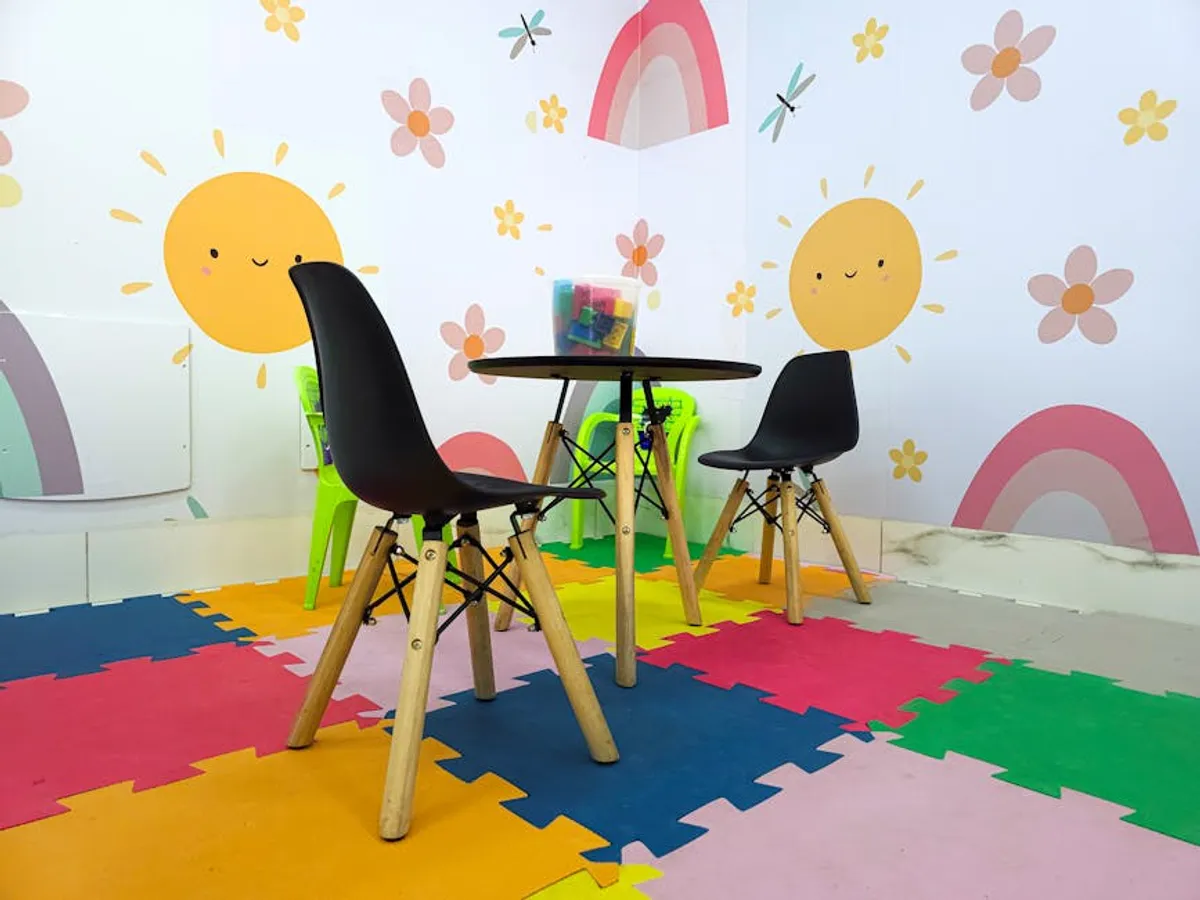
Dedicate a clear area for movement and gross motor skills. This might include open floor space for tumbling, a mini climbing structure, or a small indoor slide. Flooring in this zone should be soft yet durable, such as interlocking foam mats or a thick area rug, to cushion falls and reduce noise. Ensure adequate clearance around any active play equipment for safety.
Creative and Imaginative Play Zone
This zone fosters artistic expression and role-playing. Outfit it with an easel, a low table and chairs for crafts, and storage for art supplies like paper, crayons, and washable paints. A dress-up corner with a costume rack and a mirror, or a play kitchen/workshop, encourages imaginative scenarios. Surfaces should be easy to clean, such as a laminate tabletop or a washable floor mat.
Quiet and Reading Nook
Every playroom benefits from a calm retreat for downtime. Create a cozy corner with a beanbag chair, floor cushions, or a small child-sized sofa. Low, forward-facing bookshelves make books inviting and accessible. Soft, ambient lighting, perhaps a string of fairy lights or a dimmable lamp, enhances the serene atmosphere. This space can also serve as a puzzle or board game area.
Storage and Organization Systems
Effective storage is paramount for a functional playroom. Utilize a variety of solutions:
- Open Shelving: Allows children to see and access toys easily.
- Bins and Baskets: Ideal for containing smaller items like blocks, cars, or craft supplies. Opt for clear bins to quickly identify contents.
- Toy Boxes: Best for larger, bulky items, but ensure they have safety hinges to prevent lid drops.
- Pegboards: Excellent for hanging art supplies, tools, or small bags, maximizing vertical space.
- Drawer Units: Provide concealed storage for less frequently used items or to maintain a tidy appearance.
Labeling bins with pictures for younger children and words for older ones reinforces organizational habits.
Pro Tip: Implement a toy rotation system. Store a portion of toys out of sight and periodically swap them with those in the playroom. This keeps the space fresh and engaging, prevents overwhelm, and reduces clutter without needing constant new purchases.
Ensuring Safety and Durability
A playroom must be a secure environment. Prioritize childproofing and select materials that withstand rigorous play.
Childproofing Measures
Install outlet covers on all unused electrical outlets. Anchor heavy furniture, such as bookshelves and dressers, to the wall to prevent tipping. Secure windows with guards or locks to prevent accidental falls. Use door stoppers to prevent pinched fingers and door jams. Ensure all paints, finishes, and cleaning supplies are non-toxic and stored out of reach.
Material Selection
Choose materials that are robust, easy to clean, and safe for children. For flooring, consider low-pile carpet for warmth and noise reduction, or durable vinyl planking or hardwood with area rugs for easy cleaning. Furniture should have rounded edges and sturdy construction; avoid glass or flimsy materials. Select toys that are age-appropriate, free from small parts that pose choking hazards, and made from non-toxic, durable materials that can withstand frequent handling and cleaning.
Decorating and Personalizing the Space
Infusing personality into the playroom makes it a truly inviting space for children.
Color Schemes and Themes
Colors significantly impact mood. Bright, stimulating colors like yellows and oranges can energize active zones, while cooler tones like blues and greens might suit quiet areas. Involve children in color choices to foster a sense of ownership. Themes, such as "under the sea" or "space adventure," can be incorporated through wall decals, bedding, or specific toy sets, but avoid overly complex themes that are difficult to update as interests shift.
Lighting Considerations
Maximize natural light whenever possible. Supplement with a mix of general ambient lighting, such as a ceiling fixture, and task lighting for specific activities like reading or crafting. Dimmable lights offer flexibility for different moods and activities. Avoid harsh fluorescent lights, opting instead for warmer LED or incandescent options. Ensure all light fixtures are securely installed and out of reach.
Adding Personal Touches
Displaying children's artwork on a dedicated wall or corkboard celebrates their creativity. Incorporate family photos or items that reflect their personal interests, such as a collection of favorite books or a display shelf for special creations. These personal elements make the playroom feel unique and cherished.
Maintaining an Engaging Playroom
A playroom's effectiveness hinges on its ongoing maintenance and ability to evolve with its users.
Establish a routine for daily tidy-ups, making it a shared responsibility with the children as they grow. Regularly declutter by removing broken toys, outgrown items, or those no longer played with. This prevents accumulation and keeps the space functional. Periodically reassess the playroom's layout and contents to ensure it continues to meet the developmental needs and interests of the children. As children mature, adapt the space; a toddler's soft play area might become a teen's study nook, demonstrating the value of flexible design decisions made during the initial planning phase.
Frequently Asked Questions
What's the ideal size for a playroom?
There is no single "ideal" size; it depends on your home's available space and the number of children using it. A functional playroom can range from a dedicated corner of a living room to an entire basement. Focus on efficient use of space and clear zoning rather than square footage.
How can I make a playroom budget-friendly?
Prioritize second-hand furniture, DIY storage solutions using inexpensive materials like crates or baskets, and repurpose items from other rooms. Invest in versatile, open-ended toys that encourage imaginative play over single-use items, and utilize toy libraries or swaps to introduce new items without cost.
What are the most important safety considerations?
Key safety measures include anchoring all heavy furniture to walls, installing outlet covers, securing windows, using non-toxic materials, and ensuring all toys are age-appropriate to prevent choking hazards or injuries. Regular inspection of the space for potential dangers is also crucial.
How do I keep a playroom organized?
Implement a clear organizational system with labeled bins, baskets, and shelving. Involve children in the clean-up process from an early age, making it a routine activity. Regularly declutter by removing unused or broken items, and consider a toy rotation system to manage the volume of toys in active use.