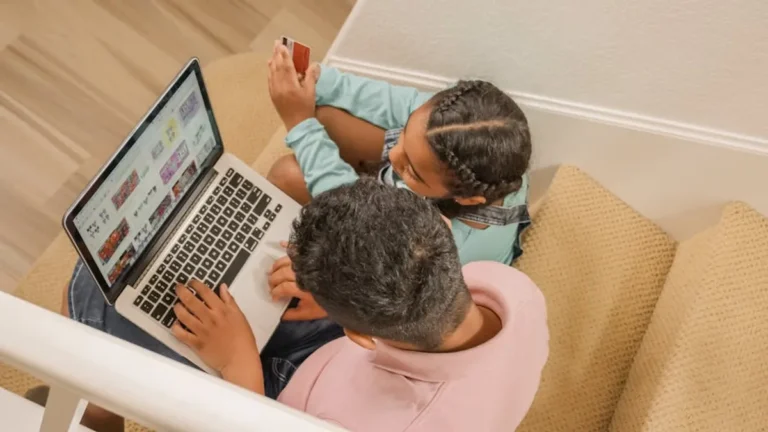

School breaks, while a welcome pause from academic routines, often present parents with a unique challenge: maintaining children's engagement and curiosity without the structured environment of a classroom. The shift from scheduled learning to unstructured free time can lead to increased screen reliance, boredom, and a sense of aimlessness for children. For parents, the objective is to cultivate an environment that balances relaxation with continued mental and physical stimulation, ensuring that breaks are both restorative and enriching. This requires a proactive approach to planning activities that cater to diverse interests and age groups, fostering independence, creativity, and skill development.
Establishing a Flexible Daily Framework
While school breaks mean a reprieve from strict schedules, a complete absence of routine can be counterproductive. Implementing a flexible daily framework provides children with a sense of predictability and security, reducing anxiety and boredom. This framework is not about rigid adherence to times, but rather about allocating specific blocks for different activity types.
Consider segmenting the day into broad categories:
- Morning Engagement (e.g., 9:00 AM - 12:00 PM): Focus on activities requiring higher concentration or physical exertion. This could include a learning project, outdoor play, or a creative endeavor.
- Afternoon Exploration (e.g., 1:00 PM - 4:00 PM): Ideal for quieter activities, reading, independent play, or community outings. This block can also accommodate planned excursions like museum visits or park trips.
- Unstructured Free Time: Crucial for fostering independence and imaginative play. This should be a consistent element, allowing children to direct their own activities without adult intervention.
This structure helps manage expectations for both children and parents, providing a rhythm to the break without the pressure of a school-day timetable.
Curating Engaging Learning Experiences
Learning does not cease during school breaks; it merely shifts in format. Intentional integration of educational activities can prevent academic slide and foster a lifelong love of discovery. These do not need to mimic classroom settings.
Project-Based Learning Initiatives
Best for: Developing critical thinking, problem-solving, and sustained focus.
Encourage children to select a topic of interest and explore it through a project. This could range from building a model of a historical landmark, researching a specific animal species and creating a presentation, or designing a simple Rube Goldberg machine. The key is to provide resources and guidance while allowing the child to drive the process. This approach teaches research skills, planning, and execution.
Skill-Building Workshops at Home
Best for: Introducing new hobbies and practical life skills.
Dedicate time to teaching a new skill. This could be basic cooking or baking, simple coding using free online platforms, learning to knit or crochet, or even fundamental carpentry with supervision. These activities provide tangible results and a sense of accomplishment, building confidence and introducing practical abilities that extend beyond academics.
Fostering Creativity and Imagination
School breaks are prime opportunities for children to engage in open-ended creative play, which is vital for cognitive development and emotional expression.
Open-Ended Art and Craft Stations
Best for: Encouraging self-expression without rigid instructions.
Instead of single-use craft kits, set up a dedicated "creation station" with a variety of materials: paper, cardboard, pipe cleaners, fabric scraps, glue, paint, markers, and recycled items. The absence of a specific end goal encourages children to experiment, innovate, and problem-solve as they transform materials into their own designs. This develops fine motor skills and spatial reasoning.
Storytelling and Dramatic Play
Best for: Enhancing language skills, empathy, and social development.
Encourage children to create their own stories, either by writing, drawing, or acting them out. Provide props like old clothes for costumes, puppets, or simple household items to spark imagination. Collaborative storytelling, where each family member adds a sentence, can be particularly engaging. This practice strengthens narrative structure understanding and verbal communication.
Pro Tip: Involve children in the planning process for school break activities. Present a few options and allow them to choose, or brainstorm ideas together. This fosters a sense of ownership and increases their buy-in, making them more likely to engage enthusiastically. When children feel their preferences are considered, resistance to activities often decreases significantly.
Integrating Physical Activity and Outdoor Exploration
Physical activity is crucial for children's health, mood regulation, and energy expenditure. School breaks offer more time for active pursuits.
Structured Outdoor Challenges
Best for: Promoting physical fitness and a connection to nature.
Beyond general play, introduce specific outdoor challenges. This could be a scavenger hunt in a local park, a timed obstacle course in the backyard, or a nature walk focused on identifying specific plants or insects. These activities add a layer of purpose to physical exertion, making it more engaging than undirected play.
Community Sports and Recreation Programs
Best for: Social interaction and skill development in a team setting.
Many local community centers and recreation departments offer short-term sports camps or clinics during school breaks. These provide structured physical activity, opportunities for social interaction with peers, and exposure to new sports or fitness routines. This can also provide a valuable break for parents while ensuring children are actively engaged.
Managing Screen Time Effectively
Screen time is an inevitable component of modern childhood, but during breaks, its management becomes critical to prevent excessive use and ensure balance with other activities.
Establish Clear Boundaries and Expectations
Best for: Preventing conflict and promoting self-regulation.
Before the break begins, discuss and agree upon clear screen time limits. This could be a set number of hours per day, or specific times when screens are permitted. Implement a "first-then" rule: "First, you complete your reading/outdoor play/creative project, then you can have screen time." This reinforces that screen time is a privilege earned after other activities.
Curate Educational and Interactive Content
Best for: Leveraging screens for learning rather than passive consumption.
When screens are used, prioritize content that is educational, interactive, or encourages creativity. This includes educational apps, coding games, virtual museum tours, or documentaries relevant to their interests. Avoid defaulting to passive entertainment, and actively seek out options that stimulate critical thinking or skill development.
Sustaining Engagement Throughout the Break
Keeping children engaged over several weeks requires adaptability and a willingness to try new things. The goal is not to fill every minute with structured activity, but to provide a stimulating environment that encourages both guided and independent exploration. Regularly check in with children about their interests and energy levels, adjusting the schedule as needed. The most effective breaks are those that allow children to feel both rested and accomplished, ready to return to school with renewed enthusiasm.
Frequently Asked Questions
How do I handle sibling disagreements over activities?
Establish a rotation system for choosing activities or designate specific "individual choice" times. Encourage compromise by suggesting activities that incorporate elements each child enjoys. Sometimes, separating children for short periods can also reduce friction.
What if my child says they're bored constantly?
Acknowledge their feeling, but avoid immediately providing a solution. Instead, offer a limited choice of two pre-approved activities. For example, "You can either read for 20 minutes or help me with X task." Often, the act of choosing empowers them to overcome boredom independently.
How can I manage a limited budget for activities?
Focus on free or low-cost options: local parks, libraries (which often have free programs), nature walks, backyard camping, cooking at home, or creative projects using recycled materials. Community events and free museum days are also valuable resources.
Should I enforce academic work during breaks?
While formal academic work isn't strictly necessary, integrating learning through engaging projects, reading for pleasure, or skill-building activities is beneficial. The objective is to keep minds active and curious, not to replicate schoolwork.