Teaching children organizational skills extends beyond tidying a room; it cultivates essential life competencies like problem-solving, time management, and responsibility. These skills directly impact academic performance, reduce stress, and build a foundation for independence. Effective strategies are age-dependent, requiring consistent application and adaptation as children mature. The goal is not merely a clean space, but a child equipped to manage their environment, tasks, and commitments with increasing autonomy.
Establishing Foundational Habits for Young Children (Ages 3-7)
For preschoolers and early elementary students, organization is best taught through direct, repeatable actions and visual cues. The focus here is on creating simple, predictable systems that minimize cognitive load and maximize success.
Creating "Homes" for Everything
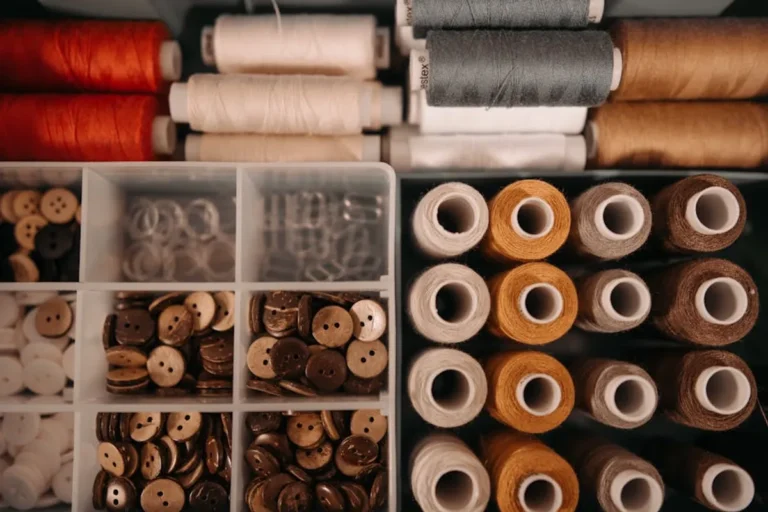
Every toy, book, and art supply needs a designated place. This principle reduces clutter and makes clean-up a straightforward task. When items consistently return to the same spot, children learn spatial reasoning and develop a sense of order.
- Defined Zones: Designate specific areas for different types of play (e.g., a building block corner, an art table).
- Accessible Storage: Use open bins, low shelves, and clear containers that children can easily reach and manage independently.
- One-in, One-out Rule: When acquiring new items, encourage donating or discarding an old, similar item. This prevents accumulation before it becomes overwhelming.
Visual Cues and Labeling
Young children respond strongly to visual information. Labels featuring pictures, colors, or simple shapes can communicate where items belong more effectively than words alone.
Pro Tip: Involve children in the labeling process. Let them draw pictures for toy bins or choose colors for different categories. This fosters ownership and makes the system more memorable for them.
Integrating Tidy-Up Routines
Short, consistent clean-up routines are more effective than infrequent, lengthy sessions. Frame tidy-up as a natural part of daily activities, not a punishment.
Best for: Establishing predictable patterns.
For example, a "5-minute tidy" before dinner or a "put away blocks before reading" rule helps embed the habit without overwhelming the child.
Developing Systemic Organization for Elementary Ages (Ages 8-12)
As children enter elementary school, their organizational needs expand to include schoolwork, schedules, and more complex personal belongings. This stage emphasizes developing systems and understanding the consequences of disorganization.
Managing Schoolwork and Supplies
A dedicated homework station, equipped with essential supplies, reduces distractions and wasted time searching for materials. Teach children to use folders for different subjects and a consistent system for bringing papers to and from school.
Key element: A "launchpad" area near the door for backpacks, lunchboxes, and permission slips ensures smooth transitions each morning.
Introducing Basic Time Management
Begin with simple planners or calendars to track homework assignments, extracurricular activities, and family events. This helps children visualize their commitments and prioritize tasks.
Practical application: Use a large wall calendar for family events and a smaller personal planner for school tasks. Guide them to check these daily.
The Power of Decluttering Sessions
Regular, scheduled decluttering sessions (e.g., once a month) for clothes, toys, and school supplies prevent accumulation. Involve children in decisions about what to keep, donate, or discard, explaining the benefits of having fewer, more valued items.
Fostering Independent Organizational Skills for Teens (Ages 13+)
Teenagers require more sophisticated organizational strategies that integrate digital tools and focus on long-term planning. The emphasis shifts from direct instruction to guiding independent application.
Digital Organization and Task Prioritization
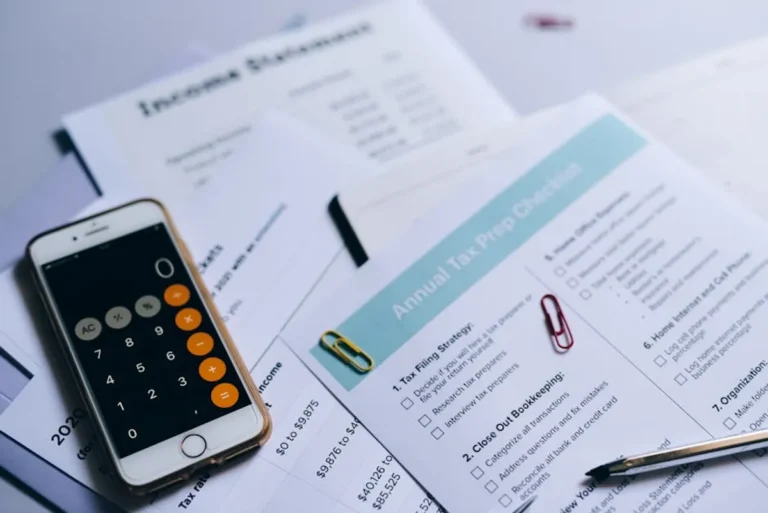
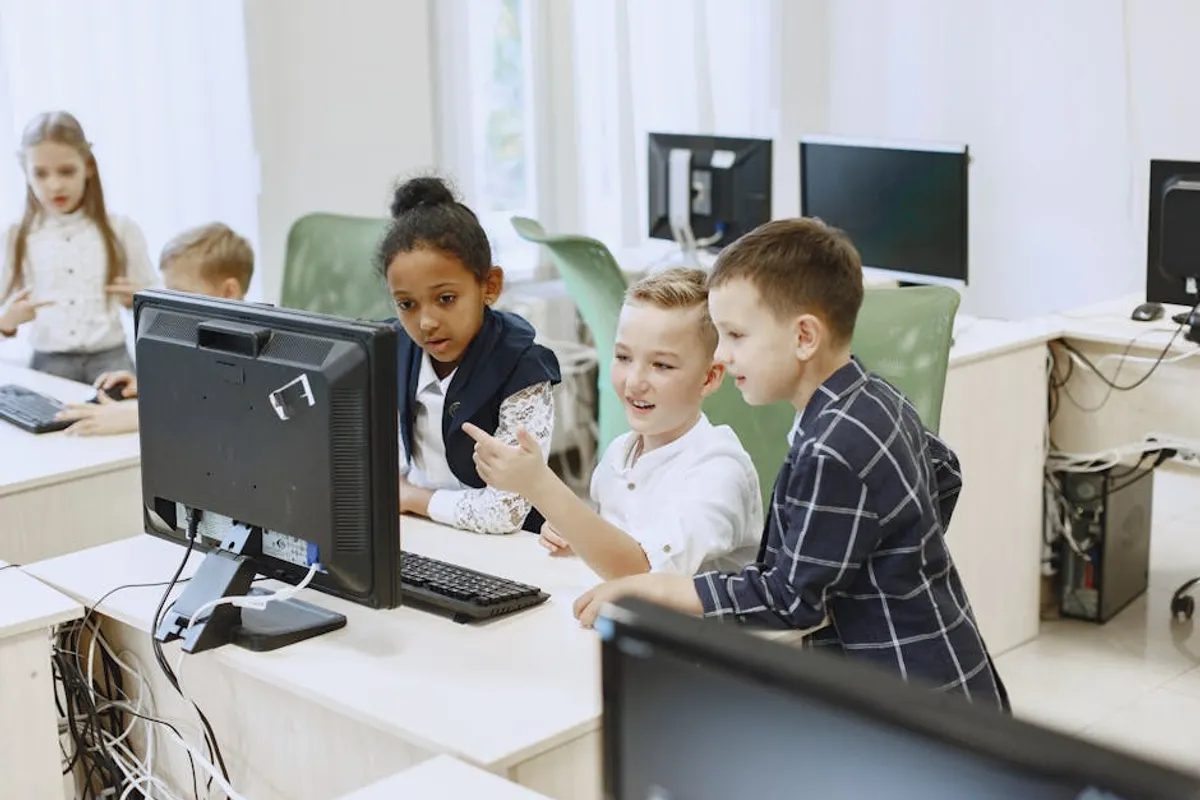
Teach teens to manage digital files, emails, and online assignments. Introduce task management apps or digital calendars to track deadlines, projects, and appointments. Prioritization skills become crucial as academic and social demands increase.
Focus: Categorizing emails, backing up important documents, and using cloud storage for school projects.
Long-Term Planning and Project Management
Break down large projects into smaller, manageable steps with individual deadlines. This teaches foresight and reduces procrastination. Encourage the use of planners, digital calendars, and reminder systems for upcoming tests, essays, and extracurricular commitments.
Maintaining Personal Spaces
While still requiring guidance, teens should take primary responsibility for organizing their bedrooms and personal belongings. This reinforces accountability and self-sufficiency. Regular check-ins and open discussions about the benefits of an organized space can be more effective than constant directives.
Essential Tools and Resources for Every Age
The right tools can significantly aid in teaching organizational skills, but they are only effective when integrated into a consistent system.
- Physical Organizers: Bins, baskets, drawer dividers, shelves, hooks, and clear containers.
- Visual Aids: Picture labels, color-coded folders, chore charts, and large wall calendars.
- Time Management Aids: Planners (physical or digital), timers, and alarm clocks.
- Digital Assistants for Older Kids: Task management apps, digital calendars, and note-taking software.
Overcoming Common Obstacles in Teaching Organization
Children may resist organizational efforts due to various factors, including lack of motivation, feeling overwhelmed, or simply not understanding the "why."
Strategy: Make organization a collaborative effort rather than a directive. Involve children in choosing systems, making decisions about their belongings, and celebrating small successes. Adjust systems that aren't working, and remember that consistency, not perfection, is the goal.
Sustaining Organizational Habits Long-Term
Organizational skills are not taught once and forgotten; they are developed through continuous practice and adaptation. Regularly review and refine systems with your child as their needs and responsibilities evolve. Emphasize the positive outcomes—reduced stress, more free time, and a greater sense of control—to reinforce intrinsic motivation. Model organized behavior yourself, demonstrating its value in daily life.
Frequently Asked Questions
At what age should I start teaching my child organization?
You can begin introducing very simple organizational concepts as early as 2-3 years old, such as putting one toy away before taking out another, or placing shoes in a designated spot. Start with basic routines and visual cues.
What if my child resists organizing?
Resistance is common. Try to make it fun by turning it into a game, using timers for quick clean-ups, or offering choices within the organizational task. Avoid nagging; instead, focus on positive reinforcement and connecting organization to desired outcomes (e.g., "Once your toys are put away, we can read a book").
How can I make organizational systems stick?
Consistency is key. Implement routines daily or weekly and stick to them. Involve your child in creating the systems so they have ownership. Regularly review and adjust the systems as your child grows and their needs change. Model organized behavior yourself.
Should I organize my child's room for them?
For young children, initial setup and guidance are necessary. As they get older, the goal is to empower them to organize their own space. Offer help and support, but avoid doing it all for them, as this prevents them from developing the skill themselves. Guide them through the process, providing tools and encouragement.