Organizing a child's room moves beyond simple tidiness; it establishes a foundation for independence, fosters creative play, and simplifies daily routines for both children and parents. A well-structured space reduces visual clutter, which can decrease overstimulation, making it easier for children to focus on play or rest. For parents, an organized room means less time spent searching for lost items and a clearer path to maintaining order, ultimately saving time and reducing stress.
The goal is to create systems that are intuitive for children to use and maintain, evolving with their needs rather than requiring constant parental intervention. This involves selecting appropriate storage, designating specific zones, and implementing habits that encourage children to participate in the upkeep of their own space. Effective organization supports a child's developmental stages, from learning to put away toys to managing school supplies, by making the process accessible and understandable.
Maximizing Vertical Space for Storage
Utilizing the vertical dimensions of a room is critical for expanding storage capacity without sacrificing floor space, which is often at a premium in children's rooms. This strategy is particularly effective for storing items that are not used daily or for creating visual interest with books and decorative items.
Wall-Mounted Shelving and Ledges
Installing shelves above eye level, or even just above the baseboard, provides immediate storage. Floating shelves offer a minimalist aesthetic, suitable for displaying a rotating selection of favorite books or small toys, keeping them accessible but off flat surfaces. Ledges, especially those with a slight lip, are excellent for displaying books cover-out, encouraging reading by making titles visually appealing and easy to grab. Ensure all wall-mounted units are securely anchored to studs to prevent accidents, especially in active children's rooms.
Tall Bookcases and Storage Towers
Freestanding bookcases, secured to the wall with anti-tip kits, can house a substantial volume of books, bins, and decorative items. Opt for units with adjustable shelves to accommodate varying item heights, from picture books to larger toys. Storage towers with drawers or cubbies provide concealed storage for items like art supplies or small toys, maintaining a clean appearance while keeping contents organized by category.
Streamlining Toy and Book Management
Toys and books are primary sources of clutter in children's rooms. Effective management systems focus on categorization, accessibility, and rotation to prevent overwhelm and encourage engagement with fewer, more purposeful items.
Categorized Storage Bins and Baskets
Assign specific categories to opaque bins or baskets (e.g., "building blocks," "doll accessories," "art supplies"). Labeling these containers with pictures for pre-readers or clear text for older children makes cleanup intuitive. This system helps children quickly locate items and, more importantly, return them to their designated spot. Consider stackable bins for small items or wheeled bins for larger, heavier toys that need to be moved frequently for play.
Pro Tip: Implement a toy rotation system. Store about one-third to half of a child's toys out of sight and rotate them every few weeks or months. This keeps play fresh, prevents boredom, and significantly reduces the amount of clutter visible at any one time, making cleanup far less daunting.
Dedicated Reading Nooks and Book Displays
Create a specific, inviting area for books. This could be a small armchair with a side table, a floor cushion, or a simple rug. Wall-mounted book ledges that display book covers are more appealing to young children than spines-out bookshelves. For older children, a traditional bookcase with books organized by genre or author can promote a sense of order and ownership over their collection.
Creating Functional Zones
Dividing a child's room into distinct zones for sleeping, playing, and studying helps define purpose and minimize cross-contamination of activities and their associated items.
Sleep Zone Essentials
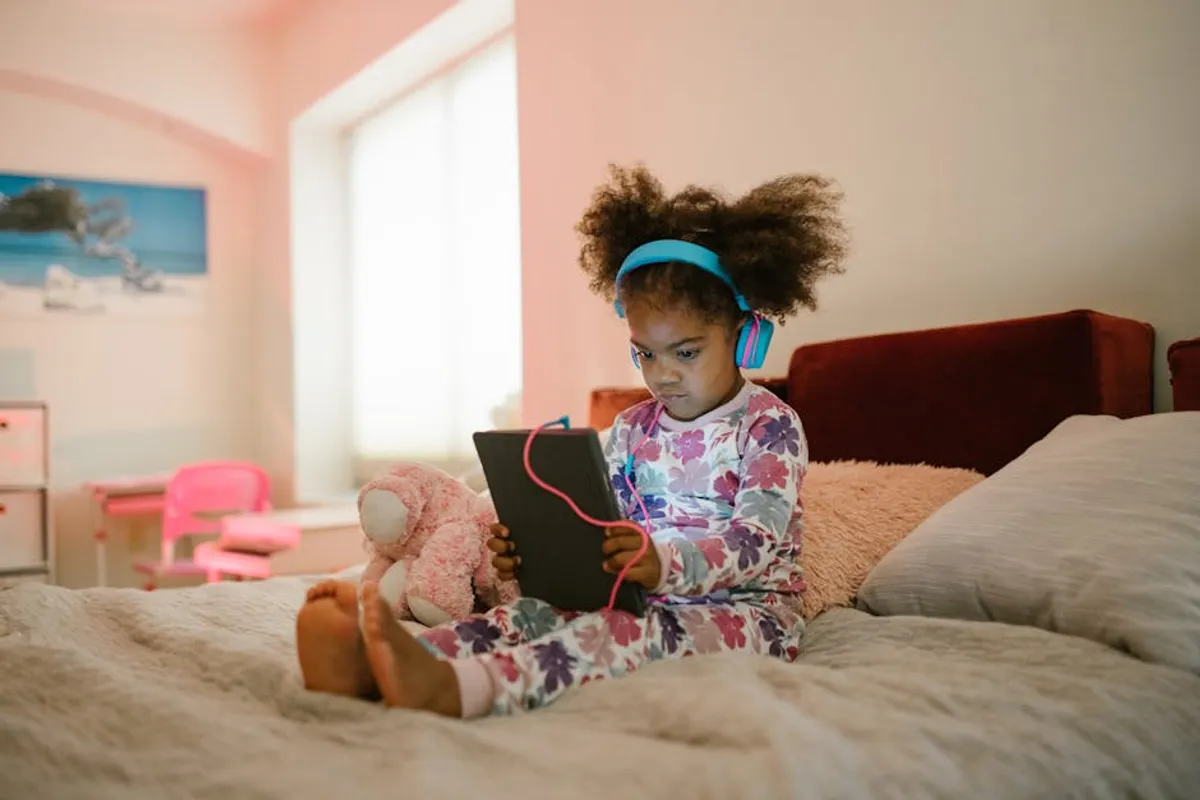
The sleep zone should be kept minimal and calming. Beyond the bed, consider a small nightstand with a lamp and a few essential items like a water bottle or a favorite bedtime book. Avoid storing toys or electronics directly in this area to promote restful sleep. Under-bed storage drawers can be used for extra linens or out-of-season clothing, keeping the immediate sleep area clear.
Play and Activity Zone
This zone is where the majority of toys and activity supplies reside. Use low-level, open shelving or cubbies here to make items easily accessible for children. A dedicated playmat or rug can define the area and offer a comfortable surface. Consider a small table and chairs for crafts, drawing, or board games, ensuring all related supplies are stored nearby in labeled containers.
Study or Homework Station
For school-aged children, a dedicated study space, even a small desk in a corner, is beneficial. Equip it with essential school supplies organized in drawer dividers, pencil cups, and file holders. A bulletin board or magnetic whiteboard above the desk can help manage schedules and assignments without cluttering the desk surface. Ensure adequate lighting to support focused work.
Implementing Smart Storage Solutions
Beyond traditional shelves and bins, several innovative solutions can enhance organization and maximize space.
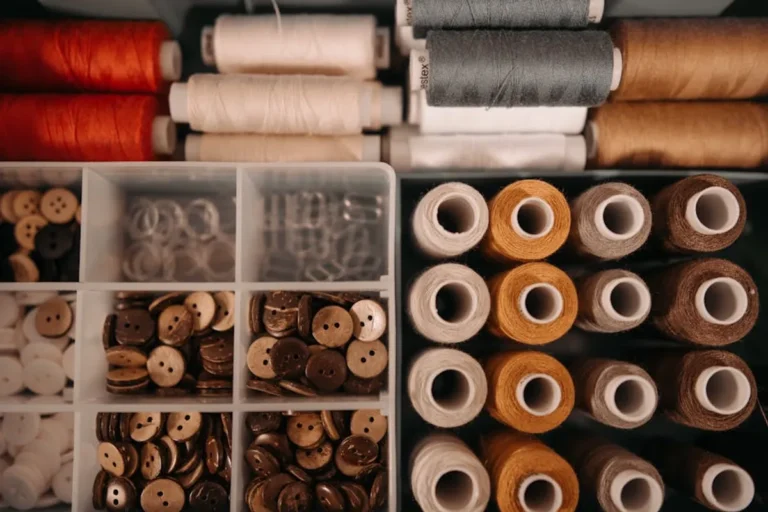
- Drawer Dividers: Essential for organizing clothing, socks, underwear, and small accessories within dressers. They prevent items from becoming a jumbled mess and make it easier for children to select their own clothes.
- Over-the-Door Organizers: Perfect for shoes, small toys, art supplies, or even stuffed animals. These utilize otherwise unused space on the back of a door, keeping items visible and easily accessible.
- Pegboards: A versatile solution for hanging small items like art tools, headphones, or even lightweight bags. Pegboards can be customized with various hooks, shelves, and containers, adapting as a child's interests change.
- Under-Bed Storage: Wheeled containers or fabric boxes designed to slide under the bed are ideal for storing seasonal clothing, extra bedding, or seldom-used toys, keeping them out of sight but readily available.
Building Lasting Habits: Involving Children in the Process
The most effective organization systems are those that children can participate in and maintain themselves. Involving them in the setup and daily upkeep fosters a sense of responsibility and ownership.
Start by decluttering together. Let children help decide what to keep, donate, or discard, explaining the reasoning behind each decision. When setting up storage, discuss where items should go and why. Use clear, simple language and demonstrate the process. Regular, short cleanup sessions incorporated into the daily routine (e.g., five minutes before dinner or bedtime) are more effective than infrequent, overwhelming tasks. Praise effort and consistency, reinforcing positive habits.
Frequently Asked Questions
How often should a child's room be decluttered?
A major decluttering session should occur seasonally or at least twice a year, such as before birthdays or holidays when new items are likely to be introduced. Daily or weekly tidy-ups, where items are returned to their designated spots, prevent significant accumulation.
What if my child resists organizing their room?
Resistance is common. Make it a game, set a timer for short bursts of cleanup, or offer choices within the organization process. For example, "Do you want to put the blocks away first, or the cars?" Involve them in the decision-making for where things live. Consistency and positive reinforcement are key.
Are open shelves or closed storage better for kids' rooms?
A combination of both is often most effective. Open shelves allow for easy access to frequently used items and visual display, which can encourage play. Closed storage, such as drawers or bins, is ideal for containing clutter, storing less aesthetically pleasing items, or keeping certain items out of sight for a cleaner look.
How can I organize a small kids' room without it feeling cramped?
Focus on vertical storage, multi-functional furniture (e.g., a bed with built-in drawers), and items that can be folded or collapsed when not in use. Keep only essential items in the room and utilize under-bed or over-the-door solutions to maximize every available inch.