
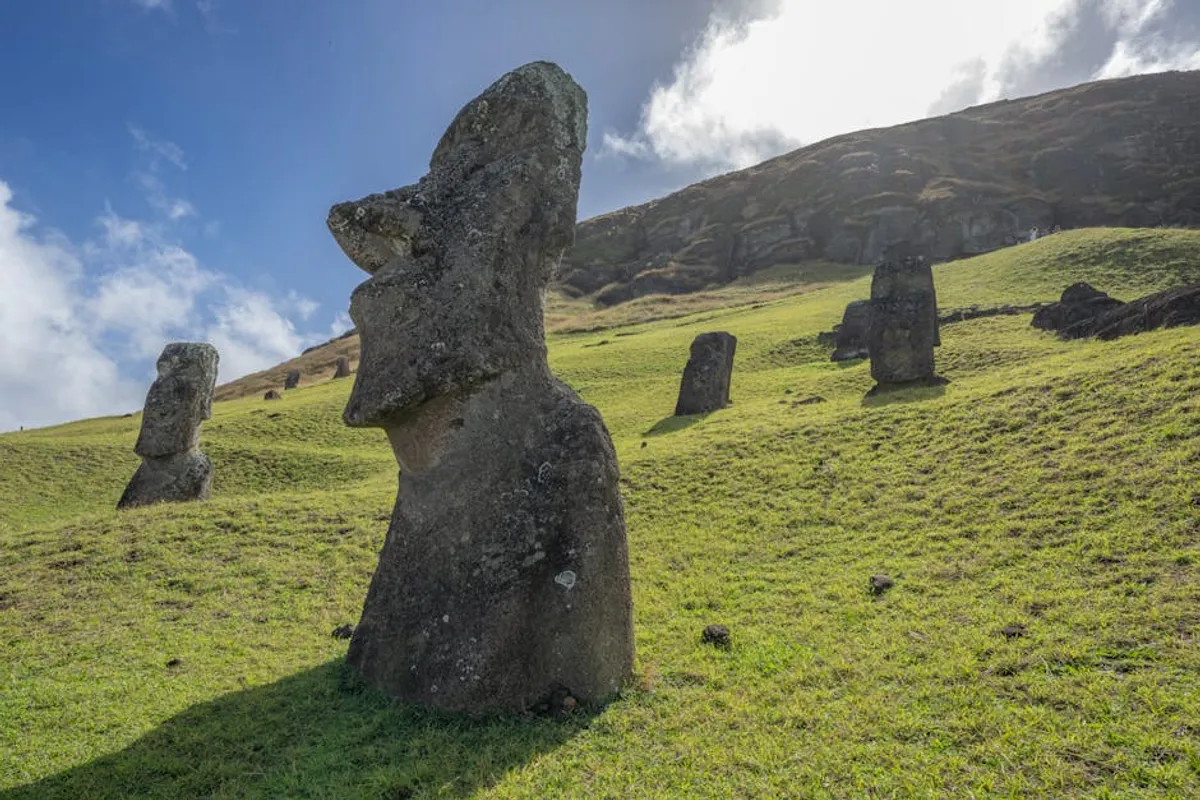
Planning a journey to see the Moai statues on Rapa Nui (Easter Island) requires precise logistical understanding and cultural awareness to maximize the experience. These monolithic human figures, carved by the Rapa Nui people between 1250 and 1500 CE, represent deified ancestors and hold profound spiritual significance. A visit is not merely sightseeing; it is an immersion into a unique Polynesian culture and a landscape shaped by ancient beliefs. This guide provides actionable details for travelers aiming to navigate the island and appreciate these iconic structures responsibly.
The Historical and Cultural Context of the Moai
The Moai are not simply stone carvings; they are manifestations of the Rapa Nui's ancestral veneration system, known as mana. Each statue embodies the spirit of a deceased ancestor, watching over their clan's village. Carved primarily from the volcanic tuff of Rano Raraku, the island's main quarry, these figures range in height from 6 to over 30 feet and can weigh up to 80 tons. Their construction and transportation across the island without modern machinery remain a testament to the ingenuity and organizational capabilities of the ancient Rapa Nui. The later toppling of many Moai, particularly during the 18th and 19th centuries, reflects periods of internal conflict and societal upheaval, transitioning from the ancestral cult to the Birdman cult.
Essential Sites for Moai Exploration
Rapa Nui offers numerous sites where Moai can be observed, each providing a distinct perspective on their scale and context. Visitors should plan to dedicate sufficient time to each location, as rushing diminishes the impact of these monumental works.
- Rano Raraku: Known as the "Moai factory," this volcanic crater was the primary quarry. Hundreds of Moai in various stages of completion are scattered across its slopes, some still embedded in the rock, offering unparalleled insight into their carving process.
- Ahu Tongariki: The largest ceremonial platform on the island, featuring 15 restored Moai standing majestically against the sunrise. This site is particularly popular for dawn visits.
- Ahu Akivi: Unique for its seven Moai that face the ocean, unlike most others which face inland. These are believed to represent the first seven explorers who arrived on the island.
- Anakena Beach: A white sand beach, significant as the legendary landing site of the island's first settlers. It features Ahu Nau Nau, with several Moai wearing pukao (red scoria topknots), and Ahu Ature Huki.
- Tahai Ceremonial Complex: Located near Hanga Roa, this complex includes three main ahu: Ahu Vai Uri, Ahu Tahai, and Ahu Ko Te Riku, the latter being the only Moai with reconstructed eyes, offering a glimpse into their original appearance.
- Rano Kau: A vast volcanic crater with a freshwater lake, historically important for the Birdman cult. While not a primary Moai site, its proximity to Orongo village offers a broader cultural context.
Navigating Rapa Nui: Practical Travel Logistics
Accessing Rapa Nui requires careful planning due to its remote location. Flights typically originate from Santiago, Chile, or occasionally from Tahiti.
Getting to and Around the Island
Flights: LATAM Airlines operates the primary flights to Mataveri International Airport (IPC). Booking well in advance is crucial, especially during peak seasons (December to March).
Transportation on Island:
- Rental Cars: Four-wheel-drive vehicles are recommended for navigating unpaved roads to certain sites. Book in advance.
- Scooters/Bicycles: Suitable for shorter distances and those comfortable with varied terrain.
- Taxis: Readily available in Hanga Roa, but costs can accumulate for full-day tours.
- Guided Tours: Many local operators offer half-day or full-day tours, providing transportation and expert commentary. This is often the most efficient way to cover key sites with historical context.
Accommodation and Dining
Hanga Roa, the island's only town, offers a range of accommodations from guesthouses to boutique hotels. Booking lodging ahead of arrival is advisable. Dining options focus on local seafood and traditional Chilean cuisine. Prices on the island are generally higher than mainland Chile due to import costs.
Entry Requirements and Site Access
All visitors must purchase a Rapa Nui National Park ticket, valid for 10 days, upon arrival at the airport or in Hanga Roa. This ticket grants access to all archaeological sites. It is mandatory to visit most sites with an accredited local guide, particularly Rano Raraku and Orongo. Respect designated paths and do not touch the Moai or their platforms (ahu) to preserve these fragile cultural heritage sites.
Pro Tip: To avoid crowds and experience the Moai sites in a more serene environment, plan your visits to popular locations like Ahu Tongariki and Rano Raraku either early in the morning (for sunrise) or late in the afternoon. This timing often provides superior photographic opportunities due to softer light and fewer visitors.
Understanding Moai Construction and Purpose
The creation of the Moai involved specialized groups of carvers. Using basalt adzes, they meticulously shaped the volcanic tuff, often completing the figures in the quarry before attempting to transport them. The transportation methods remain a subject of ongoing archaeological debate, but theories suggest a combination of ropes, logs, and rocking motions, possibly involving hundreds of people. Once erected on their ceremonial platforms (ahu), some Moai were adorned with pukao, large red scoria cylinders representing topknots or hair buns, sourced from the Puna Pau quarry. The eyes, made of white coral with obsidian or red scoria pupils, were inserted only upon the Moai's final placement, symbolizing the ancestor's spiritual awakening and ability to project mana.
Preparing for Your Moai Expedition
Pack for varying weather conditions, as tropical showers can occur year-round. Essential items include comfortable walking shoes, sun protection (hat, sunglasses, high-SPF sunscreen), insect repellent, and a reusable water bottle. While cellular service is available in Hanga Roa, connectivity can be limited in more remote areas. Downloading offline maps and essential information before arrival is a practical step.
Frequently Asked Questions about Visiting the Moai
What is the best time of year to visit Rapa Nui?
The shoulder seasons (April-May and October-November) offer pleasant weather, fewer crowds, and generally lower prices compared to the peak summer months (December-March).
Do I need a guide to visit the Moai sites?
For certain key sites like Rano Raraku and Orongo, a local guide is mandatory as part of the Rapa Nui National Park regulations. For other sites, a guide is highly recommended for deeper historical and cultural insights.
How many days are recommended to see the Moai?
A minimum of 3-4 full days allows visitors to cover the main archaeological sites at a comfortable pace, including time for travel between locations and cultural experiences.
Is it possible to touch the Moai?
No, it is strictly forbidden to touch the Moai or their ahu platforms. These are sacred cultural heritage sites, and touching can cause damage or accelerate erosion. Always maintain a respectful distance.