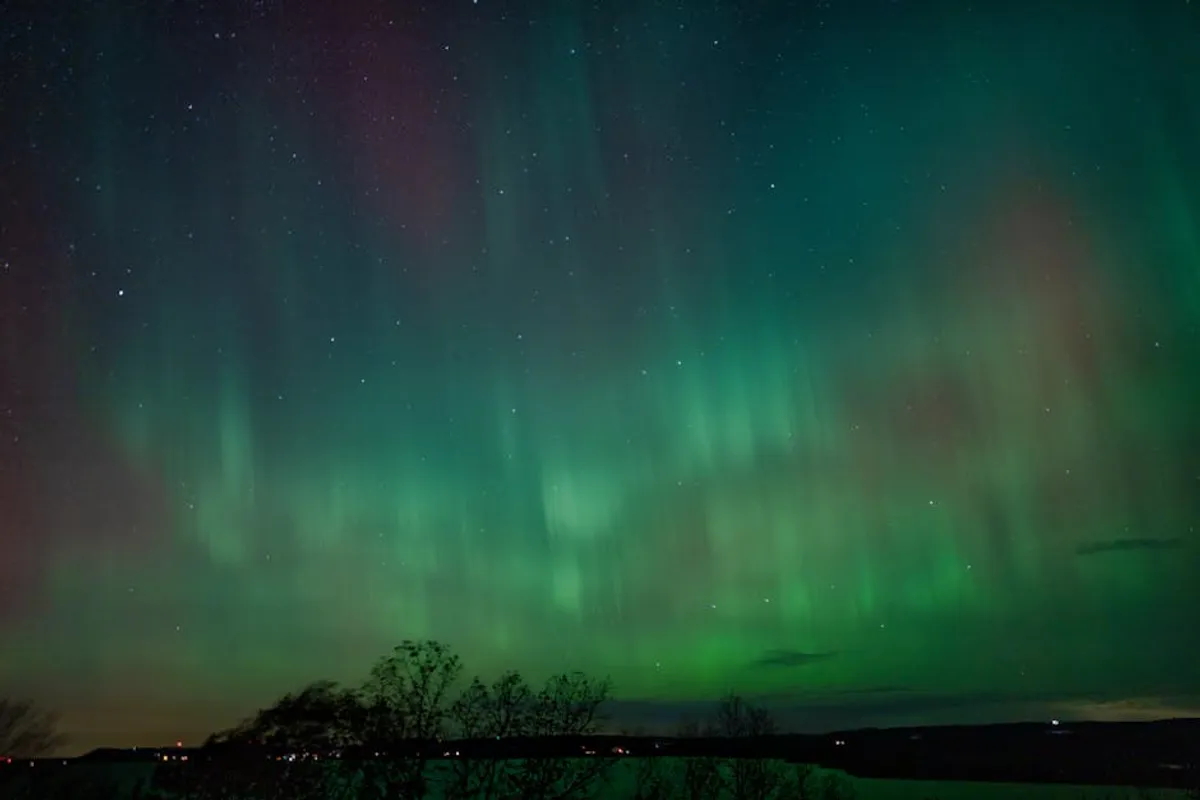
Planning a trip to witness the Northern Lights, or Aurora Borealis, demands precise preparation to maximize your chances of success. Unlike a typical vacation, an aurora chase relies on a confluence of natural phenomena—solar activity, clear skies, and absolute darkness—making strategic choices about timing, location, and gear critical. This guide provides a detailed framework for prospective travelers, focusing on the practical considerations and actionable steps required to turn the elusive dream of seeing the aurora into a tangible experience.
Understanding the Aurora Borealis Phenomenon
The Northern Lights are a natural light display in Earth's sky, predominantly observed in high-latitude regions (around the Arctic and Antarctic). This phenomenon occurs when energetic particles from the sun, ejected during solar flares or coronal mass ejections, collide with gases in Earth's atmosphere. These collisions excite atoms, causing them to emit photons of light, resulting in the characteristic green, pink, red, yellow, and blue hues. The intensity and visibility of the aurora are directly linked to solar activity, making solar forecasts a key element of any aurora-hunting strategy.
Optimal Timing for Viewing
Visibility hinges on two primary factors: darkness and solar activity.
Best Months for Aurora Viewing
The period from late August to early April offers the longest stretches of darkness in the Northern Hemisphere's high latitudes, making it the prime viewing season. Within this window, September-October and February-March often present a balance of dark nights and slightly milder weather conditions compared to the deep winter months.
- September-October: Early season, often with less extreme cold, but potential for more cloud cover and fewer hours of complete darkness.
- November-January: Peak darkness, but also peak cold. Shorter days mean more time for aurora viewing, but challenging conditions.
- February-March: Often considered ideal, balancing significant darkness with increasing daylight hours, potentially leading to clearer skies and slightly warmer temperatures than mid-winter.
Daily Timing and Solar Forecasts
The aurora is typically most active between 10 PM and 2 AM local time, though it can appear earlier or later. Consulting aurora forecast websites (e.g., those provided by national meteorological agencies or space weather centers) is essential. These forecasts predict geomagnetic activity (measured by the Kp-index) and cloud cover, providing a probability assessment for specific locations.
Prime Viewing Locations
Geographic proximity to the magnetic poles and minimal light pollution are paramount. While many northern countries offer opportunities, some stand out for their infrastructure and consistent visibility.
Norway
Best for: Fjord landscapes, coastal viewing, dedicated aurora tourism.
Cities like Tromsø, Alta, and Kirkenes in Northern Norway are situated directly within the auroral oval. The coastal climate can bring varied weather, but the dramatic scenery provides exceptional photographic backdrops. Organized tours, including dog sledding and snowmobiling with aurora viewing, are widely available.
Iceland
Best for: Accessibility, diverse landscapes, self-drive tours.
Iceland's entire island nation is within the auroral oval. Its relatively small size and well-maintained Ring Road make it conducive to self-guided aurora chases, allowing flexibility to move away from cloud cover. Remote areas like the Snæfellsnes Peninsula or the Jökulsárlón glacier lagoon offer dark skies and iconic foregrounds.
Finland
Best for: Winter activities, unique accommodation, stable inland climate.
Finnish Lapland, particularly areas around Rovaniemi, Levi, and Inari, provides consistent viewing opportunities. The inland climate often results in colder but clearer skies. Specialized accommodations like glass igloos and aurora cabins are popular, offering comfort while waiting for the lights.
Sweden
Best for: Abisko National Park, ice hotels, remote wilderness.
Abisko, located in Swedish Lapland, is renowned for its "Blue Hole"—a patch of sky that frequently remains clear even when surrounding areas are cloudy, due to its unique microclimate. The Aurora Sky Station offers elevated viewing. Other areas like Kiruna and Luleå also provide good access.
Canada & Alaska (USA)
Best for: Vast wilderness, extreme cold tolerance, robust infrastructure in key areas.
Cities like Yellowknife in Canada's Northwest Territories, Whitehorse in Yukon, and Fairbanks in Alaska are major aurora tourism hubs. These locations are characterized by extremely cold, dry climates, often leading to clear skies. Dedicated aurora lodges and tours cater specifically to light chasers.
Essential Travel Tips for Aurora Chasers
Preparation directly impacts comfort and success.
Clothing and Gear
Temperatures in prime aurora viewing regions during winter can drop significantly, often below -20°C (-4°F). Proper layering is non-negotiable.
- Base Layers: Merino wool or synthetic thermal underwear.
- Mid-Layers: Fleece or down jackets for insulation.
- Outer Shell: Waterproof and windproof parka and trousers.
- Extremities: Insulated, waterproof boots (rated for extreme cold), wool socks, heavy-duty mittens (not gloves), and a warm hat covering ears.
Photography Equipment
Capturing the aurora requires specific camera settings and equipment:
- Camera: DSLR or mirrorless camera with manual settings.
- Lens: Wide-angle lens (14-24mm) with a wide aperture (f/2.8 or faster).
- Tripod: Essential for long exposures.
- Remote Shutter Release: Prevents camera shake.
- Extra Batteries: Cold drains batteries quickly. Keep spares warm in an inside pocket.
- Headlamp: With a red light setting to preserve night vision.
Pro Tip: Manage expectations regarding aurora visibility. While planning can significantly increase your chances, the Northern Lights remain a natural phenomenon subject to unpredictable weather and solar activity. Be prepared for multiple nights of searching, and consider your trip a broader Arctic adventure, not solely dependent on aurora sightings for enjoyment.
Beyond the Lights: Activities and Experiences
To enhance your trip regardless of aurora visibility, integrate other regional activities. These often include dog sledding, snowmobiling, reindeer sleigh rides, ice fishing, cross-country skiing, and visiting ice hotels or Sami cultural centers. Combining aurora hunting with daytime adventures ensures a fulfilling travel experience.
Budgeting and Planning Considerations
Northern Lights trips can vary widely in cost. Factors include destination, duration, type of accommodation, and activity choices.
- Flights: Often the largest single expense, varying by origin and destination.
- Accommodation: Options range from budget hostels to luxury aurora cabins; booking well in advance is crucial, especially for unique stays.
- Tours: Guided aurora tours, often including transport and hot drinks, add to the cost but provide local expertise and sometimes photography assistance.
- Transportation: Rental cars offer flexibility but require confidence driving in winter conditions; public transport is limited in remote areas.
- Travel Insurance: Essential for covering potential trip cancellations, medical emergencies, or lost gear in remote environments.
Practical Planning for Your Aurora Chase
Begin planning at least 6-12 months in advance, particularly for peak season travel. Research specific locations for their average cloud cover and light pollution levels. Monitor long-range solar forecasts as your departure date approaches, and be flexible with your itinerary if possible to chase clearer skies. Pack for extreme cold, prioritizing warmth over fashion. Consider professional aurora photography workshops if capturing high-quality images is a priority. Remember that patience and persistence are your greatest assets in this endeavor.
Frequently Asked Questions
When is the absolute best time to see the Northern Lights?
While late August to early April is the season, late February and early March often balance ample darkness with slightly milder temperatures and potentially clearer skies, making it a highly recommended period.
What equipment do I need for Northern Lights photography?
A DSLR or mirrorless camera with manual settings, a wide-angle lens (f/2.8 or faster), a sturdy tripod, extra batteries, and a remote shutter release are essential for capturing clear aurora images.
How far north do I need to travel to see the Aurora?
Generally, you need to be within the auroral oval, typically above 60 degrees latitude. Key destinations include Northern Norway, Iceland, Finnish and Swedish Lapland, Northern Canada, and Alaska.
Can I see the Northern Lights if there are clouds?
No, clear skies are absolutely essential. The aurora occurs high in the atmosphere, so any cloud cover will obstruct your view. Monitoring cloud forecasts is as important as checking solar activity.