Sensory play provides a foundational approach to early childhood development, directly impacting cognitive, emotional, and physical growth. By actively engaging a child's senses—touch, sight, sound, smell, taste, balance (vestibular), and body awareness (proprioceptive)—these activities build crucial neural pathways. This engagement is not merely recreational; it is a deliberate method for fostering problem-solving skills, enhancing fine and gross motor development, supporting language acquisition, and aiding emotional regulation. Implementing sensory play ideas at home or in educational settings offers a practical, often low-cost, pathway to support a child’s holistic development, encouraging natural curiosity and exploration.
Engaging Tactile Senses Through Play
Tactile play focuses on the sense of touch, allowing children to explore textures, temperatures, and consistencies. This direct interaction helps refine fine motor skills, develop sensory discrimination, and can be profoundly calming for some children. The materials are often readily available and adaptable.
Best for: Developing hand-eye coordination, understanding material properties, and promoting a sense of calm through repetitive actions.
Textured Bins and Doughs
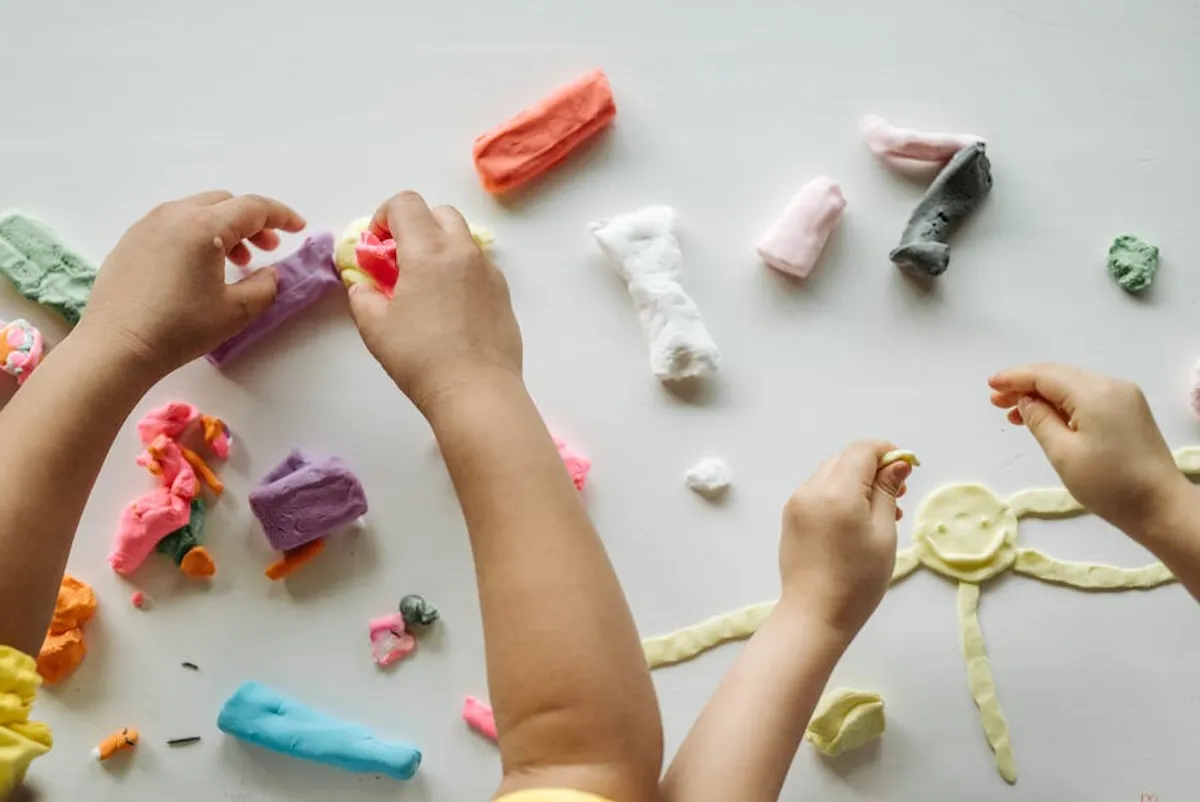
Creating sensory bins filled with various materials offers a contained environment for tactile exploration. Materials like dried pasta, rice, beans, sand, or water beads provide distinct tactile experiences. Playdough, whether homemade or store-bought, allows for endless manipulation, squeezing, rolling, and shaping. Adding natural elements like leaves, twigs, or smooth stones introduces organic textures.
Water-Based Explorations
Water offers a versatile medium for tactile play. Simple water tables or basins filled with water can be enhanced with bubbles, ice cubes, or food coloring. Children can experiment with pouring, scooping, and observing how objects float or sink. This type of play also introduces concepts of volume and displacement in an experiential way.
Stimulating Auditory Development
Auditory play helps children distinguish between different sounds, understand rhythm, and develop listening skills. It contributes to language development and an awareness of their sonic environment.
Best for: Enhancing listening comprehension, fostering an appreciation for music, and exploring cause-and-effect relationships.
Crafting Sound Bottles
Simple sound bottles can be made using clear plastic bottles filled with various items that produce distinct sounds when shaken. This activity encourages children to identify and compare sounds, developing their auditory discrimination. Ensure lids are securely sealed to prevent spills or ingestion of contents.
- Dried rice or lentils for a soft, rustling sound.
- Small bells or beads for a tinkling sound.
- Dried pasta or beans for a louder, rattling sound.
- Water with a few drops of food coloring for visual interest, creating sloshing sounds.
- Cotton balls or fabric scraps for a muffled, quiet sound.
Musical Exploration
Providing access to simple musical instruments, whether store-bought or homemade (e.g., shakers, drums from pots and pans), allows children to experiment with pitch, rhythm, and volume. Encouraging singing and listening to diverse musical genres further enriches their auditory experiences.
Visual Engagement and Exploration
Visual sensory play focuses on stimulating the eyes through colors, light, patterns, and movement. This aids in visual tracking, color recognition, and understanding spatial relationships.
Best for: Improving visual perception, encouraging focus, and fostering creativity through color and light experiments.
Light and Color Play
Using light tables or simply a flashlight in a darkened room can transform ordinary objects into captivating visual experiences. Transparent colored blocks, scarves, or plastic sheets can be used to explore color mixing and light refraction. Mirrors also offer opportunities for self-recognition and understanding reflections.
Incorporating Olfactory and Gustatory Experiences
Engaging the senses of smell (olfactory) and taste (gustatory) requires careful supervision and selection of materials, especially for younger children who may put objects in their mouths. These senses are powerfully linked to memory and can introduce children to a wide range of natural and culinary experiences.
Best for: Expanding sensory vocabulary, connecting senses to memory, and safely exploring new flavors and aromas.
Pro Tip: When incorporating olfactory or gustatory play, always prioritize safety. Use only non-toxic, food-grade materials, and ensure constant, direct supervision to prevent choking hazards or ingestion of unsafe items. For younger children, focus on taste-safe options like edible playdough or pureed fruits.
Scented Play Materials
Adding natural scents to playdough or sensory bins can create a rich olfactory experience. Spices like cinnamon, cloves, or ginger, extracts like vanilla or peppermint, or natural elements like lavender, citrus peels, and fresh herbs can be incorporated. This introduces children to a spectrum of aromas, helping them differentiate and describe smells.
Taste-Safe Explorations
For gustatory play, focus on safe, edible items. Edible playdough made from flour, salt, water, and food coloring is a good starting point. Offering small portions of different fruits, vegetables, or yogurts allows children to explore sweet, sour, bitter, and umami tastes in a controlled environment. Always be mindful of allergies and choking risks.
Proprioceptive and Vestibular Activities for Body Awareness
These two often-overlooked senses are crucial for a child's spatial awareness, balance, and coordination. Proprioception refers to the sense of body position and movement, while the vestibular system relates to balance and spatial orientation.
Best for: Improving balance, coordination, self-regulation, and understanding one's body in space.
Heavy Work Activities (Proprioceptive)
Activities that involve pushing, pulling, lifting, or carrying heavy objects provide deep pressure input, which can be calming and help children understand their body's capabilities. Examples include pushing a toy cart filled with blocks, carrying a backpack, or helping to move cushions. Crawling through tunnels or under furniture also provides valuable proprioceptive input.
Movement and Balance Play (Vestibular)
Activities that involve movement, spinning, swinging, or rocking stimulate the vestibular system. Swinging on a playground swing, spinning in circles (safely), or rocking in a chair helps develop balance and spatial orientation. Creating simple obstacle courses that involve climbing, crawling, and balancing also effectively engages these senses.
Practical Integration for Daily Routines
Integrating sensory play does not require elaborate setups or specialized equipment. Many opportunities arise naturally within daily routines. The key is to be observant of a child's interests and adapt activities to their developmental stage. Focus on providing open-ended materials that encourage exploration without a prescribed outcome. This fosters creativity, independence, and a deeper engagement with their environment. Consistency, even in short bursts, yields significant developmental benefits.
Frequently Asked Questions About Sensory Play
What age is sensory play appropriate for?
Sensory play is beneficial for children of all ages, from infancy through school age and beyond. The activities should be adapted to the child's developmental stage, ensuring safety and appropriate challenge levels. Infants might explore textures and sounds, while older children can engage in more complex sensory experiments and imaginative play.
Do I need special materials or expensive toys for sensory play?
No, many effective sensory play ideas can be implemented using common household items and natural materials. Items like dried pasta, rice, water, sand, empty containers, sponges, and natural elements like leaves or stones are excellent starting points. The focus is on the experience, not the cost of the materials.
How often should we engage in sensory play activities?
Regular, even short, engagements with sensory play are more beneficial than infrequent, long sessions. Integrating sensory activities into daily routines, such as exploring textures during bath time or identifying scents during meal prep, can be highly effective. Aim for several short sessions throughout the week, observing your child's interest and energy levels.
What if my child doesn't seem to enjoy a specific sensory activity?
Children have individual preferences and sensitivities. If a child shows disinterest or aversion to a particular sensory material or activity, do not force it. Observe their reactions, try to understand what might be uncomfortable (e.g., texture, temperature, smell), and offer alternatives. The goal is positive exploration, not compliance.