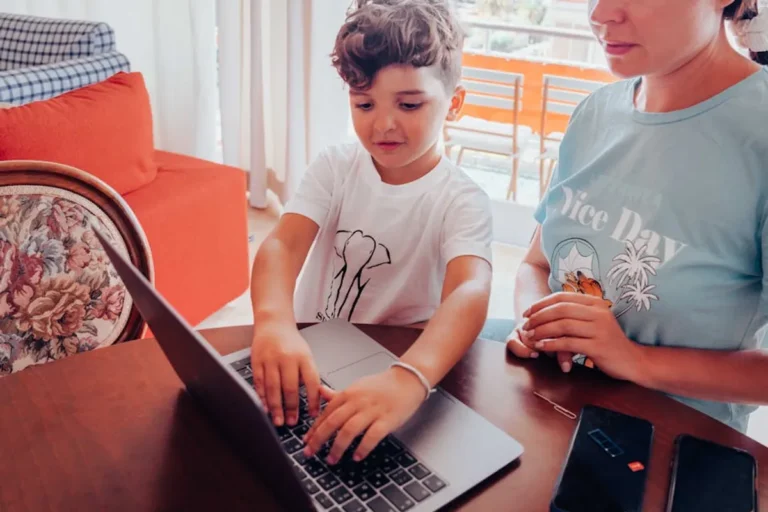

Preparing for the new school year presents a distinct set of organizational challenges for parents, ranging from academic supplies to health requirements and logistical planning. This period often involves navigating multiple school-specific lists, managing budget constraints, and ensuring a smooth transition for children across various age groups. A structured checklist approach can mitigate stress, prevent last-minute rushes, and ensure all critical areas are addressed proactively, allowing families to focus on a positive start to the academic calendar.
Academic Essentials: Supplies and Learning Tools
Equipping students for academic success begins with a clear understanding of their classroom and individual learning needs. This often extends beyond the basic pen and paper to include technological resources and a conducive home study environment.
Classroom Supply List Procurement
Most educational institutions provide a detailed list of required classroom supplies. Prioritize obtaining these items early to leverage sales cycles and avoid stock shortages closer to the school start date. Essential items typically include:
- Notebooks and binders (specific sizes/colors)
- Writing instruments (pens, pencils, highlighters, markers)
- Rulers, protractors, and compasses for math
- Backpacks and lunch bags (durable and size-appropriate)
- Art supplies (crayons, colored pencils, glue sticks)
- Calculators (specific models for higher grades)
Pro Tip: Before purchasing new items, conduct an inventory of last year's unused or lightly used supplies. Many items like rulers, binders, or even certain pens can be reused, significantly reducing expenditure and waste.
Technology Readiness
In contemporary education, digital tools are often as crucial as physical textbooks. Confirm any technology requirements from the school, such as specific operating systems or software. Ensure devices are functional, updated, and charged.
Key considerations:
- Laptops or tablets: Verify specifications against school recommendations.
- Reliable internet access: Essential for homework and online learning platforms.
- Headphones with microphones: For virtual classes or quiet study.
- Software licenses: Confirm if specific educational software is required and provided by the school or needs personal purchase.
- Cybersecurity: Implement parental controls and ensure antivirus software is active on student devices.
Designated Study Space Setup
A consistent, organized study area at home supports focus and routine. This space should be free from major distractions and equipped for learning.
Elements of an effective study space:
- A sturdy desk and ergonomic chair.
- Adequate lighting (natural light supplemented by a desk lamp).
- Storage solutions for books, papers, and supplies (shelves, drawers).
- Access to necessary technology and power outlets.
Health and Wellness: Prioritizing Student Well-being
A child's physical and mental health directly impacts their ability to learn and thrive in a school environment. Proactive health preparations are non-negotiable.
Medical Check-ups and Vaccinations
Schedule annual physicals, dental check-ups, and vision screenings before the school year begins. Confirm that all required vaccinations are up to date and provide updated immunization records to the school nurse or administration. If a child has allergies or chronic conditions, ensure all necessary medications are acquired and emergency action plans are on file with the school.
Nutrition and Meal Planning
Consistent, healthy nutrition supports sustained energy and cognitive function. Plan nutritious breakfasts and consider lunchbox strategies. Involve children in selecting healthy options to foster ownership and reduce food waste.
Practical steps:
- Pre-plan a week's worth of breakfast and lunch ideas.
- Stock up on healthy, non-perishable snacks.
- Invest in reusable lunch containers and water bottles.
- Communicate any dietary restrictions or allergies to school staff.
Sleep Schedule Adjustment
Gradually shifting sleep schedules a few weeks before school starts can ease the transition. Aim for consistent bedtimes and wake-up times to establish a healthy sleep-wake cycle. Adequate sleep is fundamental for concentration and mood regulation.
Wardrobe and Personal Care: Practical Preparations
Ensuring students have appropriate clothing and personal hygiene items contributes to their comfort and confidence throughout the school day.
School Uniforms or Dress Code Compliance
Review the school's specific uniform requirements or dress code guidelines. Purchase necessary items in appropriate sizes, accounting for potential growth during the school year. Labeling clothing with the child's name can prevent loss.
Everyday Attire and Footwear
Beyond uniforms, ensure children have a selection of comfortable, durable clothing suitable for various school activities and weather conditions. This includes:
- Weather-appropriate outerwear (raincoats, jackets).
- Comfortable shoes for daily wear and separate athletic shoes for physical education.
- Enough changes of clothes for the week, reducing laundry frequency.
Personal Hygiene Supplies
Equip backpacks with essential personal hygiene items, especially for younger children or those prone to needing them. This might include a small bottle of hand sanitizer, tissues, and a mini first-aid kit for minor scrapes.
Logistics and Communication: Streamlining the School Year
Effective communication and clear logistical plans are vital for smooth daily operations and handling unexpected situations.
Transportation Arrangements
Finalize transportation plans well in advance. Confirm bus routes and schedules, establish carpool arrangements, or practice walking/biking routes to ensure familiarity and safety. Discuss emergency pick-up procedures with children and caregivers.
School Communication Channels
Familiarize yourself with the school's preferred communication methods. This often includes parent portals, email lists, school websites, and dedicated communication apps. Ensure your contact information is current with the school to receive important updates, alerts, and newsletters.
Emergency Preparedness
Update all emergency contact information with the school, including multiple authorized pick-up individuals. Discuss a family emergency plan, including designated meeting points and communication strategies, in case of school closures or other unforeseen events.
Warning: Avoid the trap of last-minute bulk buying for school supplies. Many retailers offer staggered sales events throughout the summer. Monitoring these sales and purchasing items when they are discounted can lead to significant savings compared to waiting until the week before school starts when demand and prices often peak.
Ensuring a Prepared Start
A comprehensive back-to-school checklist transforms a potentially chaotic period into an organized, manageable process. By systematically addressing academic, health, personal, and logistical requirements, parents can reduce their own stress and provide children with the confidence that comes from being fully prepared. This proactive approach sets a positive tone for the entire academic year, allowing students to focus on learning and growth from day one.
Frequently Asked Questions
When should parents start back-to-school preparations?
It is advisable to begin preparations 4-6 weeks before the school year starts. This allows ample time to take advantage of sales, schedule appointments, and gradually adjust routines without feeling rushed.
How can I save money on back-to-school supplies?
To save money, start by taking inventory of existing supplies, compare prices across different retailers, look for sales and discounts, buy generic brands where appropriate, and consider purchasing items in bulk with other families.
What are some commonly overlooked back-to-school preparations?
Often overlooked items include updating emergency contact information with the school, reviewing and practicing transportation routes, checking technology readiness (software updates, chargers), and ensuring all necessary medical forms are submitted.
How can I help my child adjust to a new school year?
Help your child adjust by gradually re-establishing school-year routines (sleep, meals), visiting the school beforehand if possible, discussing their anxieties and excitements, and fostering open communication about their experiences once school begins.