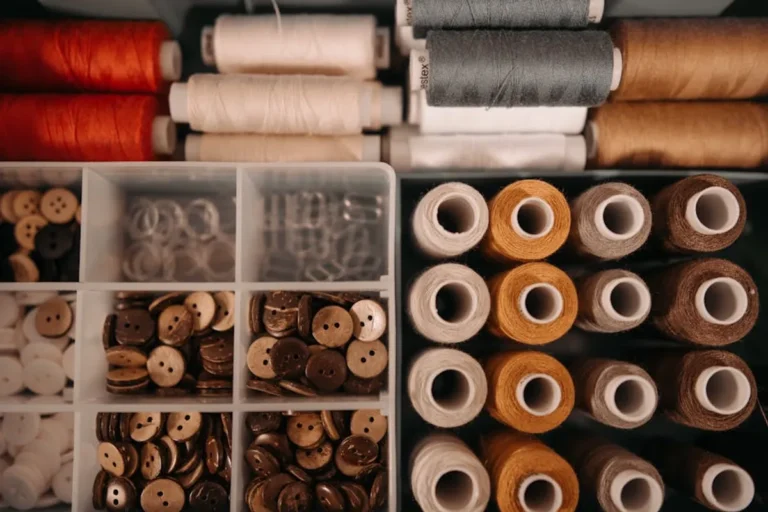

Curating a collection of craft supplies for children involves more than just acquiring materials; it's about investing in tools that foster development, encourage independent play, and provide valuable alternatives to screen time. For parents, the right supplies offer a blend of creative outlet, fine motor skill development, and cognitive engagement. Understanding which items deliver consistent utility, durability, and ease of use simplifies the decision-making process, ensuring that any craft session is productive rather than frustrating. This guide focuses on identifying those core supplies that consistently prove their worth in a busy family environment, prioritizing versatility, safety, and long-term engagement.
Foundational Drawing and Coloring Essentials
The bedrock of any craft collection begins with tools for mark-making and color application. These items are fundamental for developing hand-eye coordination, color recognition, and imaginative expression, serving a wide age range from toddlers to early teens. Prioritizing washable and non-toxic options minimizes cleanup concerns and ensures safety.
Crayons
Standard wax crayons remain a staple due to their durability and ease of use for small hands. Their solid form prevents accidental spills, and the broad color range supports early artistic exploration. Look for non-toxic formulations that resist breaking under typical child use, offering a consistent color payoff on various paper types.
Utility: Develops grip strength, foundational coloring, blending, and texture creation.
Washable Markers
Markers provide vibrant, immediate color saturation, appealing to children who seek bold visual results. The "washable" attribute is critical, allowing for easy removal from skin, clothing, and most non-porous surfaces, which significantly reduces parental stress. Chisel tips offer versatility for both broad strokes and finer lines.
Utility: Encourages bold expression, color mixing, and develops control for line work. The washable feature is a key differentiator for parental preference.
Colored Pencils
For older children or those developing finer motor control, colored pencils offer precision and control not always achievable with crayons or markers. They allow for detailed work, shading, and layering, introducing more advanced artistic techniques. Opt for sets with a robust lead that resists breakage during sharpening and use.
Utility: Refines fine motor skills, promotes detailed drawing, shading, and blending techniques.
Essential Cutting and Adhering Tools
Manipulating materials through cutting and joining them together is central to many craft projects, supporting spatial reasoning and problem-solving. Safety and ease of use are paramount for these tools.
Kid-Safe Scissors
Blunt-tip, spring-action, or plastic-bladed scissors designed for children are non-negotiable. These tools teach proper scissor grip and the mechanics of cutting, which are crucial for developing fine motor skills and hand strength. They are specifically engineered to cut paper and thin materials safely, minimizing the risk of injury.
Utility: Develops fine motor control, hand-eye coordination, and introduces basic cutting techniques safely.
Glue Sticks
Glue sticks offer a clean, mess-free adhesive solution for paper-based projects. Their solid form prevents excessive application, and they dry quickly and clearly. This makes them ideal for younger children learning to assemble simple constructions without the mess associated with liquid glues.
Utility: Clean, easy application for paper crafts, fostering independence in assembly.
White Craft Glue
For projects requiring stronger bonds or the adhesion of heavier materials like fabric, pom-poms, or pipe cleaners, a good quality white craft glue (PVA glue) is essential. Look for non-toxic, quick-drying formulas that dry clear. A precision tip applicator can help manage application for more intricate work.
Utility: Versatile adhesive for a wider range of materials, enabling more complex constructions and durability.
Pro Tip for Parents: Establish a designated "craft zone" and clear rules for cleanup before starting any project. This proactive approach minimizes mess, teaches responsibility, and allows children to fully immerse themselves in creative play without constant interruptions for tidying.
Building and Sculpting Materials
Materials that can be shaped, folded, or constructed offer tactile experiences and encourage three-dimensional thinking. These supplies are excellent for imaginative play and developing spatial awareness.
Construction Paper
A multi-colored pack of construction paper is a versatile base for countless projects. Its slightly thicker weight compared to standard printer paper makes it more durable for cutting, folding, and gluing. The variety of colors stimulates visual interest and offers choices for diverse creations.
Utility: Foundation for cutting, folding, collage, and structural paper crafts, offering a broad color palette.
Modeling Clay or Dough
Soft, non-toxic modeling clay or dough provides an invaluable sensory experience. It promotes fine motor skill development through squeezing, rolling, and shaping, while also encouraging imaginative play and storytelling. Look for options that don't dry out quickly and are easy to clean from surfaces.
Utility: Enhances fine motor skills, hand strength, sensory exploration, and imaginative sculpting.
Pipe Cleaners and Pom-Poms
These two items are highly versatile for adding texture, dimension, and character to crafts. Pipe cleaners are bendable and fuzzy, ideal for creating figures, attaching components, or forming shapes. Pom-poms add soft, colorful accents and are excellent for gluing, counting, and sorting activities.
Utility: Adds texture and dimension, supports fine motor manipulation, and encourages creative construction.
Organizational Solutions
While not a craft supply itself, effective organization is critical for maintaining an accessible and enjoyable craft space. Without it, supplies become lost, damaged, or overwhelming, deterring creative engagement.
Storage Bins or Containers
Clear, stackable storage bins with secure lids are essential for keeping supplies sorted, visible, and protected. Categorizing items (e.g., "markers," "paper," "glue & scissors") within these containers prevents clutter and makes it easy for children to find what they need and put it away independently. This system also preserves the longevity of supplies by protecting them from dust and damage.
Utility: Facilitates easy access, promotes tidiness, extends product life, and teaches organizational skills.
Curating Your Craft Collection
Building a functional craft supply collection for children involves thoughtful selection rather than accumulation. Focus on versatile, durable, and safe items that support a wide range of developmental stages and creative interests. Regularly assess what gets used and what remains untouched, adjusting your inventory to match your child's evolving needs and preferences. A well-stocked, organized craft area becomes a consistent invitation for exploration, learning, and imaginative play, offering tangible benefits that extend beyond the finished project.
Frequently Asked Questions About Craft Supplies for Parents
What are the most important factors when choosing craft supplies for young children?
Prioritize safety (non-toxic, age-appropriate tools), washability (for easy cleanup), and durability to withstand frequent use. Versatility is also key, as items that can be used in multiple types of projects offer greater value.
How can parents manage the mess associated with children's crafts?
Designate a specific craft area, use protective coverings like old newspapers or plastic mats, and establish clear rules for cleanup before starting. Washable supplies significantly reduce cleanup effort. Involve children in the tidying process to foster responsibility.
Are expensive craft supplies necessary for fostering creativity?
No, creativity is not dependent on cost. Many affordable, basic supplies like construction paper, crayons, and glue sticks are highly effective. The emphasis should be on providing a variety of materials and encouraging open-ended exploration rather than purchasing high-end art supplies. These basic supplies are perfect for fun projects for kids on rainy days that encourage creativity.
How often should craft supplies be refreshed or updated?
Regularly check for dried-out markers, dull pencils, or depleted glue. Replace items as they run out or become unusable. Consider adding new types of materials periodically to introduce new textures and techniques, keeping the craft experience fresh and engaging for your child.