Engaging children with toys that foster creativity and development doesn't require significant financial outlay. Many of the most impactful play experiences stem from simple, homemade constructions, offering a direct alternative to mass-produced items. This approach prioritizes resourcefulness, encourages problem-solving, and often results in toys uniquely tailored to a child's interests, leading to deeper engagement than store-bought equivalents. Parents and caregivers seeking sustainable, budget-friendly, and personalized play options will find that crafting toys from everyday materials provides substantial benefits, from skill development to reducing household waste.
Understanding the Value of Homemade Play
DIY toys provide a distinct set of advantages over commercially manufactured options. They encourage children to participate in the creation process, fostering a sense of ownership and understanding of how objects are constructed. This involvement can significantly extend the toy's play longevity, as children are more invested in items they helped bring to life. Furthermore, homemade toys often bypass the limitations of single-purpose designs, promoting open-ended play that adapts to a child's evolving imagination. DIY toys provide a distinct set of advantages over commercially manufactured options, offering significant educational advantages of these toys.
- Cost Efficiency: Utilizes readily available household items and craft supplies, minimizing expenditure compared to retail purchases.
- Customization: Allows for tailoring toys to a child's specific developmental stage, interests, or sensory preferences.
- Environmental Responsibility: Repurposes materials, reducing waste and modeling sustainable practices for children.
- Skill Development: The creation process itself builds fine motor skills, hand-eye coordination, and problem-solving abilities in both children and adults.
- Enhanced Engagement: Toys made with personal investment often lead to more imaginative and prolonged play sessions.
Essential Materials for DIY Toy Creation
The foundation of effective DIY toy making lies in recognizing the potential within common household items and inexpensive craft supplies. Prioritizing non-toxic, durable, and easily accessible materials ensures safety and simplifies the creation process.
Primary Materials:
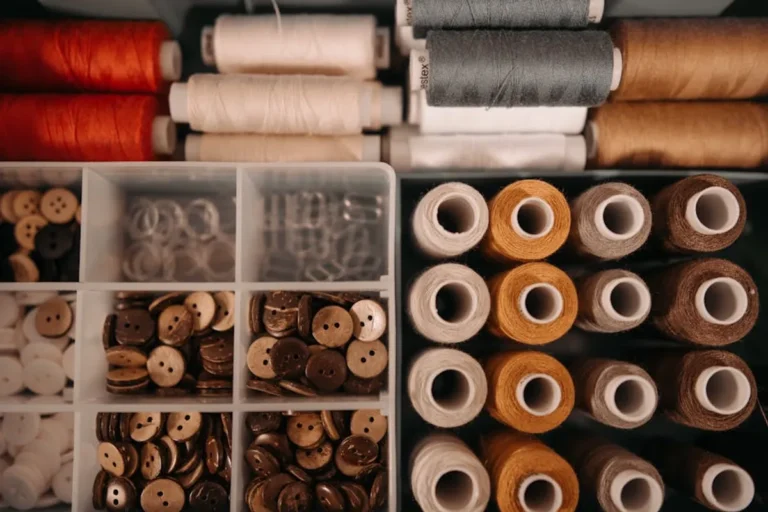
Cardboard is a versatile material, easily sourced from delivery boxes. Its rigidity makes it suitable for constructing larger items like playhouses, cars, or ramps. Fabric scraps, such as old t-shirts or felt, are ideal for soft toys, puppets, or decorative elements, offering varied textures for sensory exploration. Recycled plastic bottles and containers can be transformed into shakers, building blocks, or water play items. Natural elements like pinecones, smooth stones, and sticks, when properly cleaned and prepared, add an organic dimension to play, supporting sensory and imaginative engagement.
Adhesives and Tools:
For bonding, child-safe glues (PVA or craft glue) are essential. Hot glue guns, used by adults, offer quick, strong bonds for more robust constructions. Scissors, appropriate for the user's age, and craft knives (adult-supervised) are necessary for cutting and shaping materials. Non-toxic paints and markers allow for decoration and personalization, enhancing the visual appeal and play value of the finished toy.
Simple Projects for Different Age Groups
Tailoring DIY projects to a child's developmental stage ensures both safety and engagement, providing appropriate challenges and opportunities for skill building.
Toddlers (1-3 years): Sensory and Motor Skill Focus
Projects for toddlers should emphasize sensory exploration, gross motor skills, and simple manipulation. Sensory bottles, created by filling clear plastic bottles with water, glitter, beads, and oil, offer visual stimulation and cause-and-effect learning when shaken. Stacking cups or blocks made from cleaned food containers (e.g., yogurt pots) encourage spatial reasoning and fine motor control. Simple sock puppets, decorated with felt eyes and yarn hair, promote imaginative play and early language development.
Preschoolers (3-5 years): Imaginative and Fine Motor Development
This age group benefits from projects that support imaginative narratives and refine fine motor skills. Cardboard box cars or rockets, decorated with paint and paper, provide a large-scale canvas for creative play. Playdough, made from flour, salt, water, and food coloring, allows for endless molding and shaping, strengthening hand muscles. Paper plate masks, decorated with crayons and attached with elastic, encourage role-playing and artistic expression.
Early School Age (5-8 years): Construction and Problem-Solving
Children in this range can handle more complex constructions and enjoy projects with a clear objective. A marble run constructed from cardboard tubes and toilet paper rolls taped to a wall challenges engineering and problem-solving skills. Bottle cap checkers or tic-tac-toe boards, made from painted bottle caps and a drawn game board, introduce strategy and rule-following. Simple weaving looms, built from cardboard with notches, teach basic textile creation and patience.
Pro Tip: Always supervise children during the creation process, especially when using sharp tools or small components. Ensure all materials are non-toxic and age-appropriate to prevent choking hazards or exposure to harmful substances. Test the durability of the finished toy before allowing unsupervised play.
Maximizing Engagement and Learning Through Construction
The true value of DIY toys extends beyond the finished product; it lies in the shared experience and the learning opportunities embedded within the creation process. Involving children in each step, from material selection to decoration, fosters a deeper connection to their toys and enhances their understanding of design and functionality.
Encourage children to brainstorm ideas, choose colors, and decide on decorative elements. This autonomy builds confidence and creativity. Discuss the properties of different materials—why cardboard is good for structure, or how fabric creates softness. This introduces basic physics and material science concepts. As children play with their creations, observe their interactions and ask open-ended questions to stimulate further imaginative narratives and problem-solving. A toy that starts as a cardboard box can become a spaceship, then a house, then a boat, demonstrating the power of adaptable, open-ended design.
Building Blocks for Imagination and Skill
Crafting easy DIY toys for children offers a tangible pathway to fostering creativity, resourcefulness, and essential developmental skills. By repurposing common household items, parents and caregivers can provide engaging, personalized play experiences that are both economical and environmentally conscious. The process itself becomes a valuable activity, strengthening bonds and imparting practical knowledge that extends far beyond the playroom. These handmade creations, born from simple materials and shared effort, often become a child's most cherished possessions, valued for the memories and imagination they represent. These handmade creations, born from simple materials and shared effort, often become a child's most cherished possessions, valued for the memories and the screen-free entertainment they provide.
Frequently Asked Questions About DIY Toys
Are DIY toys genuinely safe for children?
Yes, DIY toys can be safe, provided non-toxic materials are used, small parts are securely attached or avoided for younger children, and construction is sturdy. Always supervise play, especially with new creations, and check for sharp edges or potential choking hazards.
What age group benefits most from DIY toys?
Children of all ages can benefit. Toddlers gain from sensory and motor skill development, preschoolers from imaginative play, and early school-age children from construction and problem-solving. The key is to tailor the complexity and materials to their developmental stage.
What are the most common household items to start with?
Excellent starting materials include cardboard boxes, toilet paper/paper towel rolls, plastic bottles, fabric scraps (old clothes), empty food containers (yogurt cups, cereal boxes), and natural items like sticks or smooth stones. These are versatile and widely available.