
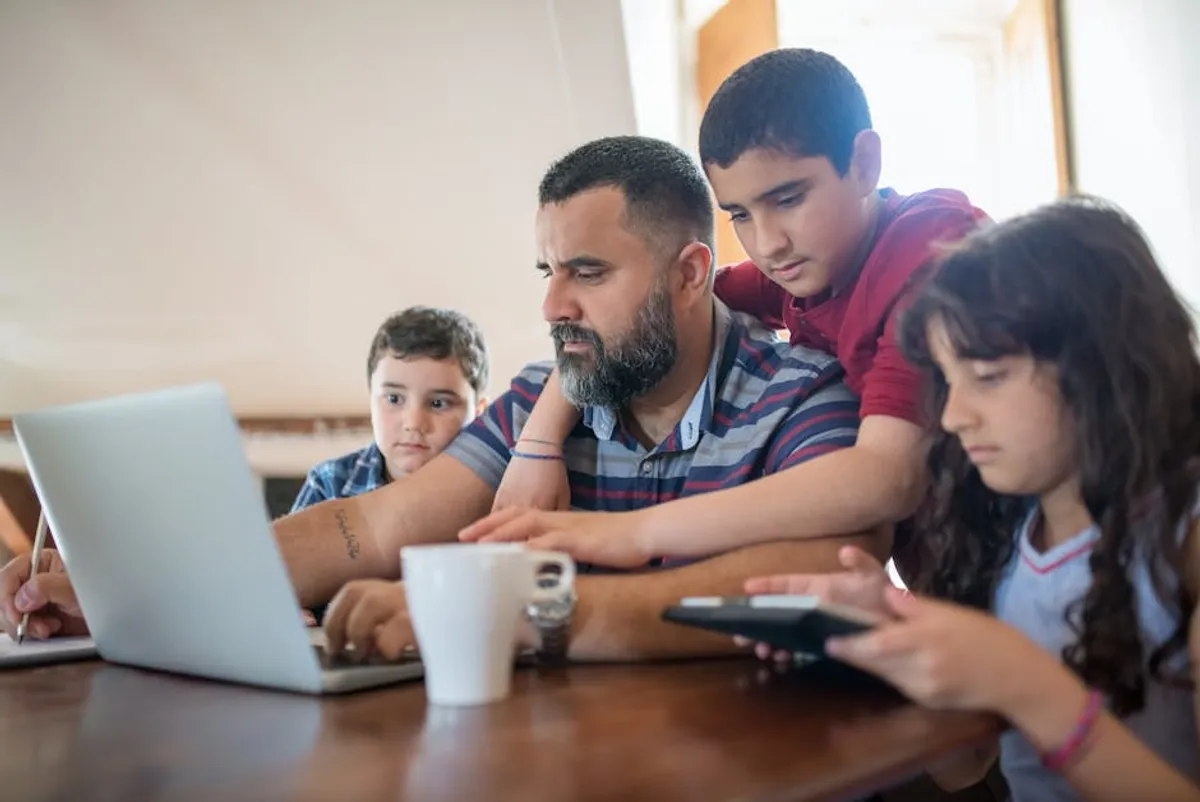
Families increasingly seek alternatives to digital screens for weekend engagement, aiming to foster deeper connections, encourage creativity, and promote physical activity. The challenge lies in identifying practical, accessible ideas that genuinely capture children's interest across various age groups, moving beyond passive consumption to active participation. This guide provides concrete, screen-free weekend concepts designed to enrich family time through shared experiences and hands-on learning, emphasizing activities that require minimal specialized equipment or significant financial outlay.
Embrace the Outdoors: Nature-Based Adventures
Connecting with nature offers sensory stimulation and opportunities for discovery, often requiring little more than comfortable shoes and curiosity. These activities build observational skills and appreciation for the environment.
Local Park Exploration and Scavenger Hunts
Transform a routine park visit into an adventure by creating a simple scavenger hunt. Provide a list of natural items to find: a smooth stone, a specific leaf shape, something red, a feather, or a specific type of tree. This encourages close observation of the immediate surroundings and turns a walk into a focused exploration. For older children, introduce a camera (non-phone) to document findings, adding a photography element.
Best for: Developing observation skills, physical activity, all age groups with adaptable lists.
Backyard Camping and Stargazing
Even without a full camping trip, setting up a tent in the backyard offers a novel experience. Children can help assemble the tent, prepare sleeping bags, and organize snacks. Once night falls, turn off all outdoor lights and use a star chart or a simple astronomy app (on a parent's device, used briefly for identification) to identify constellations and planets. This introduces basic astronomy and fosters a sense of wonder. Pack a thermos of hot chocolate for an added treat.
Best for: Fostering independence, introducing basic astronomy, creating memorable "staycation" experiences.
Community Garden Visits or Volunteering
Many communities host public gardens or farms that welcome visitors or volunteers. Spending an hour weeding, planting, or harvesting provides direct exposure to food production and the natural growth cycle. If volunteering isn't an option, simply visiting and observing the different plants, insects, and garden structures can be educational. Discuss where food comes from and the effort involved in growing it.
Best for: Understanding food systems, developing an appreciation for nature, community engagement.
Cultivate Creativity: Arts, Crafts, and Building
Engaging in creative projects allows children to express themselves, develop fine motor skills, and practice problem-solving. The focus should be on the process of creation, not necessarily a perfect end product.
DIY Craft Stations with Recycled Materials
Designate a space for a "creation station" stocked with everyday recycled items: cardboard tubes, empty cereal boxes, plastic bottles, fabric scraps, bottle caps, yarn, and newspaper. Provide essential tools like child-safe scissors, glue, tape, and markers. Challenge children to build a robot, a miniature city, or a fantastical creature using only these materials. This encourages resourcefulness and imaginative construction.
Best for: Fostering imagination, fine motor skill development, eco-conscious creativity.
Storytelling and Puppet Show Creation
Start with a simple premise or character and take turns adding to a collaborative story. Alternatively, create simple puppets from paper bags, old socks, or craft sticks. Children can then develop a short play, write dialogue, and perform for each other or for family members. This enhances verbal communication, narrative structure understanding, and dramatic play.
Best for: Language development, imaginative play, collaborative problem-solving.
Collaborative Building Projects
Dedicate time to a large-scale building project that requires teamwork. This could be an elaborate blanket fort spanning multiple rooms, a complex LEGO structure with a specific theme, or even constructing a miniature city from blocks and toy cars. The emphasis is on working together, planning, and adapting ideas as the build progresses. Document the final creation with photos.
Best for: Teamwork, spatial reasoning, sustained engagement, problem-solving.
Engage the Mind: Learning Through Play
Structured and unstructured play can be powerful vehicles for learning, promoting critical thinking, strategic planning, and knowledge acquisition without formal instruction.
Board Game Tournaments and Puzzle Solving
Organize a family board game tournament over the weekend, featuring a variety of games that cater to different skill sets (e.g., strategy, memory, luck). Keep a simple score or reward participation. For a quieter activity, tackle a large jigsaw puzzle together. This promotes patience, pattern recognition, and collaborative effort. Rotate game choices to maintain interest.
Best for: Strategic thinking, social skills, patience, pattern recognition.
Kitchen Science Experiments
The kitchen is a natural laboratory. Simple experiments using common household ingredients can teach scientific principles. Examples include making baking soda volcanoes, creating DIY slime (using glue, baking soda, and contact lens solution), or observing crystal growth with salt or sugar solutions. Focus on asking "what if" questions and documenting observations in a simple notebook.
Best for: Introducing scientific method, curiosity, measurement skills.
Library Visits and Book-Based Activities
A trip to the local library provides access to a vast array of books, magazines, and often free community events like story time. Encourage children to select books on topics that genuinely interest them. Back home, extend the library experience by creating art inspired by a book, acting out a scene, or researching a topic further using non-digital resources.
Best for: Fostering a love of reading, independent learning, resource exploration.
Pro Tip: Involve Children in Planning
To maximize engagement and minimize resistance, involve children in selecting weekend activities. Present a few screen-free options and let them vote or decide. When they have ownership over the plan, they are more likely to participate enthusiastically and see the activity as their choice, not an imposed restriction.
Connect Through Movement: Active Play and Sports
Physical activity is crucial for development and stress reduction. These ideas encourage movement, coordination, and healthy competition.
Family Obstacle Courses
Design a simple obstacle course in your living room or backyard using household items: pillows to jump over, chairs to crawl under, hula hoops to step through, or a laundry basket to throw soft balls into. Time each family member's run and celebrate participation. This promotes gross motor skills, coordination, and playful competition.
Best for: Gross motor skill development, coordination, energy release.
Dance Parties and Musical Games
Create a family playlist of favorite upbeat songs and host an impromptu dance party. Introduce classic musical games like musical chairs or freeze dance. This is an excellent way to burn energy, express emotions, and connect through shared joy. Consider themed dance parties (e.g., 80s, animal moves) for added fun.
Best for: Physical activity, emotional expression, fostering musical appreciation.
Neighborhood Bike Rides or Walks
Explore your local area on bikes or by foot. Map out a new route or revisit a favorite path. Point out interesting landmarks, natural features, or neighborhood details often missed when driving. This promotes physical fitness, spatial awareness, and a deeper connection to the local environment. Pack water bottles and a small snack for longer excursions.
Best for: Cardiovascular health, local exploration, building endurance.
Community and Connection: Local Experiences
Engaging with the local community broadens perspectives, introduces new concepts, and supports local businesses and initiatives.
- Farmer's Market Exploration: Visit a local farmer's market. Discuss seasonal produce, meet local vendors, and choose ingredients for a family meal. This teaches about local agriculture and healthy eating.
- Volunteer Opportunities: Seek out family-friendly volunteer opportunities, such as park cleanups, animal shelter visits (if appropriate), or helping at a local food bank. This instills empathy and civic responsibility.
- Visiting Local Museums or Historical Sites: Many towns have small, accessible museums or historical landmarks. Check for kid-friendly exhibits or interactive tours that make history and culture engaging.
Sustaining Screen-Free Family Time
Implementing screen-free weekends requires consistency and adaptability. Begin by establishing clear expectations about screen usage during designated times. The goal is not to eliminate screens entirely, but to create intentional space for alternative activities that build essential life skills and strengthen family bonds. Rotate activities to prevent monotony and always be open to children's suggestions, even if they seem unconventional. The most successful screen-free weekends are those where everyone feels heard and actively participates in the planning and execution.
Frequently Asked Questions
How do I get my kids off screens without a fight?
Start by setting clear expectations and a consistent schedule. Involve children in choosing screen-free activities, giving them ownership. Frame it as an opportunity for fun and connection, rather than a punishment. Gradually reduce screen time rather than an abrupt cut-off.
What if we don't have a big budget for weekend activities?
Many effective screen-free activities are low-cost or free. Focus on nature walks, library visits, backyard adventures, DIY crafts with recycled materials, or board games you already own. The emphasis is on shared time and creativity, not expensive outings.
How can I make screen-free activities appealing to different age groups?
Choose activities that can be scaled or adapted. For example, a nature scavenger hunt can have simpler items for younger children and more complex ones for older kids. Collaborative projects like building a fort or cooking a meal allow everyone to contribute at their own skill level.
What are the benefits of consistent screen-free family time?
Consistent screen-free time fosters stronger family bonds, improves communication skills, enhances creativity and problem-solving abilities, promotes physical health, and reduces reliance on digital entertainment. It also encourages independent play and a deeper appreciation for the real world.