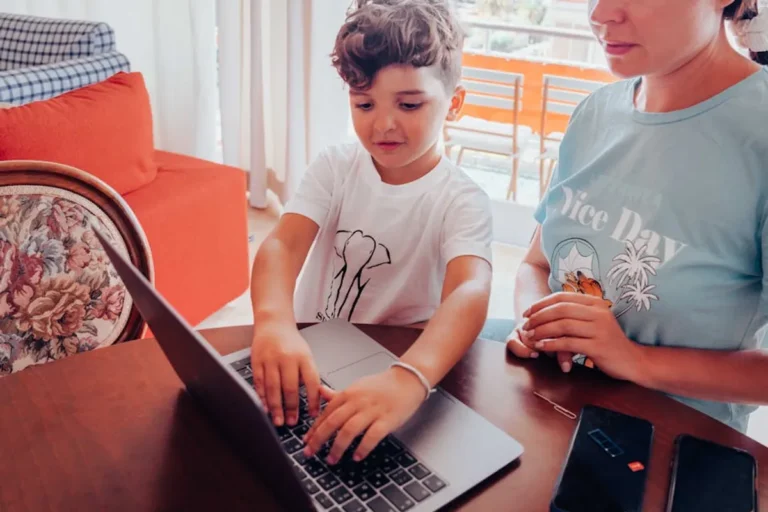

Parents and caregivers frequently seek effective strategies to keep children engaged, balancing structured and unstructured play across various environments. The goal is to identify activities that not only entertain but also contribute to developmental milestones, foster creativity, and offer practical alternatives to excessive screen time. This requires a discerning approach, focusing on options that are adaptable, cost-effective, and genuinely stimulating for diverse age groups and interests. Parents and caregivers frequently seek effective strategies for keeping kids engaged during school breaks, balancing structured and unstructured play across various environments.
Structured Indoor Engagement
Indoor activities provide opportunities for focused learning and creative expression, often leveraging common household items. These options are particularly valuable during inclement weather or for fostering quiet, concentrated play.
Creative Expression and Fine Motor Development
Engaging children in arts and crafts goes beyond simple entertainment; it directly supports fine motor skill development, hand-eye coordination, and imaginative thinking. Activities should prioritize process over product, allowing children to experiment without pressure for a perfect outcome.
- Recycled Material Sculptures: Collect cardboard tubes, bottle caps, fabric scraps, and empty containers. Provide child-safe scissors, glue, and tape. This encourages problem-solving as children figure out how to join disparate objects, fostering spatial reasoning and resourcefulness.
- Process Art Painting: Instead of strict coloring, offer various mediums like tempera paint, watercolors, and even natural dyes from food. Use non-traditional applicators such as sponges, cotton balls, or even leaves. This emphasizes sensory exploration and abstract thinking, reducing performance anxiety.
- Storytelling with Puppets: Create simple puppets from socks, paper bags, or craft sticks. Encourage children to develop characters and narratives, which enhances language skills, social understanding, and imaginative play. A makeshift "stage" from a cardboard box can elevate the experience.
Building and Engineering Challenges
Construction-based play develops critical thinking, spatial awareness, and an understanding of basic physics. The materials can range from specialized toys to everyday objects.
Best for: Developing problem-solving skills and understanding structural integrity.
Fort building, using blankets, pillows, chairs, and clothespins, challenges children to design and construct stable shelters. This activity promotes teamwork if multiple children are involved and offers a sense of accomplishment upon completion. Similarly, creating elaborate domino runs or Rube Goldberg-style machines with household items (e.g., toy cars, ramps made from books, plastic cups) introduces principles of cause and effect and sequential planning.
Kitchen Science and Culinary Exploration
The kitchen offers a practical laboratory for scientific inquiry and life skills development. These activities provide tangible results and often involve multiple senses.
Best for: Introducing basic scientific concepts and practical life skills.
Simple experiments like making baking soda and vinegar volcanoes, creating homemade slime with glue and borax (or contact lens solution), or observing plant growth from a bean in a jar introduce fundamental scientific principles in an accessible way. Involving children in basic cooking or baking tasks, such as measuring ingredients for cookies or assembling a simple sandwich, teaches fractions, following instructions, and reinforces healthy eating habits. Ensure adult supervision for all kitchen activities, especially those involving heat or sharp objects.
Pro Tip: When introducing new indoor activities, present them as "invitations to play" rather than mandatory tasks. Lay out materials attractively and allow children to discover and engage at their own pace. This fosters intrinsic motivation and deeper engagement.
Dynamic Outdoor Exploration
Outdoor environments offer unparalleled opportunities for physical activity, sensory engagement, and connection with nature. These activities are crucial for gross motor development and fostering an appreciation for the natural world.
Nature Discovery and Sensory Play
Direct interaction with nature stimulates curiosity and provides rich sensory input, which is vital for cognitive development.
Best for: Enhancing sensory perception and fostering environmental awareness.
Organize a nature scavenger hunt where children look for specific items like a smooth stone, a crinkly leaf, or something red. This encourages observation skills and focused exploration. Bug observation, using a magnifying glass to examine insects in their natural habitat, teaches respect for living creatures and introduces basic biology. Creating "mud kitchens" with dirt, water, sticks, and leaves allows for open-ended imaginative play, promoting sensory integration and creative role-playing without structured outcomes.
Active Movement and Coordination
Unrestricted outdoor play is essential for developing gross motor skills, balance, and coordination. These activities contribute significantly to physical health and energy regulation.
Best for: Physical development and energy expenditure.
Setting up a simple obstacle course in a backyard or park, using cones, hula hoops, ropes, and small tunnels, challenges children to navigate different movements like crawling, jumping, and balancing. This enhances agility and coordination. Ball games, from simple catch to kicking a soccer ball, improve hand-eye or foot-eye coordination and spatial awareness. Encourage free-form running and climbing on age-appropriate playground equipment to build strength and confidence in movement.
Water-Based Recreation
Water play provides a unique sensory experience and offers cooling relief during warmer months. It can be both calming and invigorating.
Best for: Sensory exploration and cooling relief.
A simple sprinkler offers hours of running and jumping entertainment, promoting gross motor skills and providing a fun way to cool down. A kiddie pool filled with water, floating toys, and measuring cups allows for imaginative play and introduces basic concepts of volume and buoyancy. For younger children, a water table with various containers and scoops provides a contained environment for sensory exploration and fine motor practice. Always ensure constant adult supervision during any water-based activity, regardless of depth.
Sustaining Engagement Through Observation and Flexibility
Effective activity planning involves more than just selecting options; it requires observing a child's interests and adapting accordingly. Children's attention spans and preferences vary significantly, even day-to-day. Introduce new activities gradually, and be prepared to pivot if an initial idea doesn't resonate. The most successful engagement often stems from allowing children a degree of autonomy in choosing how they interact with the provided materials or environment. Regularly rotating available toys and craft supplies can rekindle interest in previously ignored items. Focus on the quality of interaction and the skills being developed, rather than strict adherence to a pre-planned schedule.
Frequently Asked Questions
How can I make activities age-appropriate for different children?
Adapt complexity and supervision levels. For younger children, simplify instructions, use larger pieces, and provide more direct guidance. For older children, introduce more complex challenges, encourage independent problem-solving, and allow for greater autonomy in activity execution.
What are cost-effective ways to provide engaging activities?
Utilize household items like cardboard boxes, recycled containers, old clothes for dress-up, and kitchen ingredients for science experiments. Public libraries offer free access to books, puzzles, and sometimes even activity kits. Local parks and nature trails provide free outdoor exploration opportunities.
How do I balance structured activities with free play?
Aim for a flexible schedule that includes both. Structured activities can introduce new skills or concepts, while free play allows children to explore their interests, develop creativity, and practice self-direction. Observe when a child needs more guidance versus when they thrive with open-ended time.
What if my child loses interest quickly in an activity?
Avoid forcing engagement. Children's interests fluctuate. Offer encouragement, but if disinterest persists, gently suggest a different activity or allow for quiet time. Sometimes, simply taking a break and revisiting an activity later can renew enthusiasm. The objective is positive engagement, not prolonged adherence to a single task.