Organizing toys in a small living space presents a common challenge: how to maintain order without overwhelming limited square footage. The objective isn't just to hide clutter, but to create a functional system that allows children to easily access and put away their toys, while also preserving adult living areas. This requires a strategic approach, prioritizing space efficiency, accessibility, and adaptability as children's interests evolve. Effective toy organization transforms cramped rooms into functional, enjoyable environments for the entire family.
Assessing Your Current Toy Collection
Before investing in any storage solutions, a thorough audit of existing toys is essential. This step identifies what truly needs to be stored and what can be decluttered, preventing the purchase of unnecessary containers or the inefficient use of precious space.
The "Keep, Donate, Discard" Method
Go through every toy, item by item. For each, make a clear decision:
- Keep: Toys that are frequently played with, hold significant sentimental value, or are essential for development. These are the items that will be integrated into the new organization system.
- Donate: Toys in good condition that are no longer played with, have been outgrown, or are duplicates. Consider local charities, schools, or consignment shops.
- Discard: Broken, incomplete, or unsafe toys. These items add clutter without providing play value and should be disposed of responsibly.
This process immediately reduces the volume of items requiring storage, making subsequent steps more manageable.
Categorizing by Type and Frequency of Use
Once you have a refined collection, group similar toys together. This might include blocks, art supplies, action figures, board games, or plush animals. Further refine categories by how often they are accessed. Toys used daily should be stored at an easily reachable height, while seasonal items or those used less frequently can occupy higher shelves or less accessible bins.
Maximizing Vertical Storage Opportunities
In small spaces, horizontal surfaces are quickly consumed. Leveraging vertical space is critical for expanding storage capacity without encroaching on floor area.
Wall-Mounted Shelving and Bins
Install shelves or cubbies directly onto walls. Floating shelves offer a minimalist aesthetic, while modular cube shelves provide defined compartments for different toy categories. Clear, wall-mounted bins allow children to see contents, encouraging independent play and tidying. These solutions free up valuable floor space that would otherwise be occupied by standalone units.
Over-the-Door Solutions
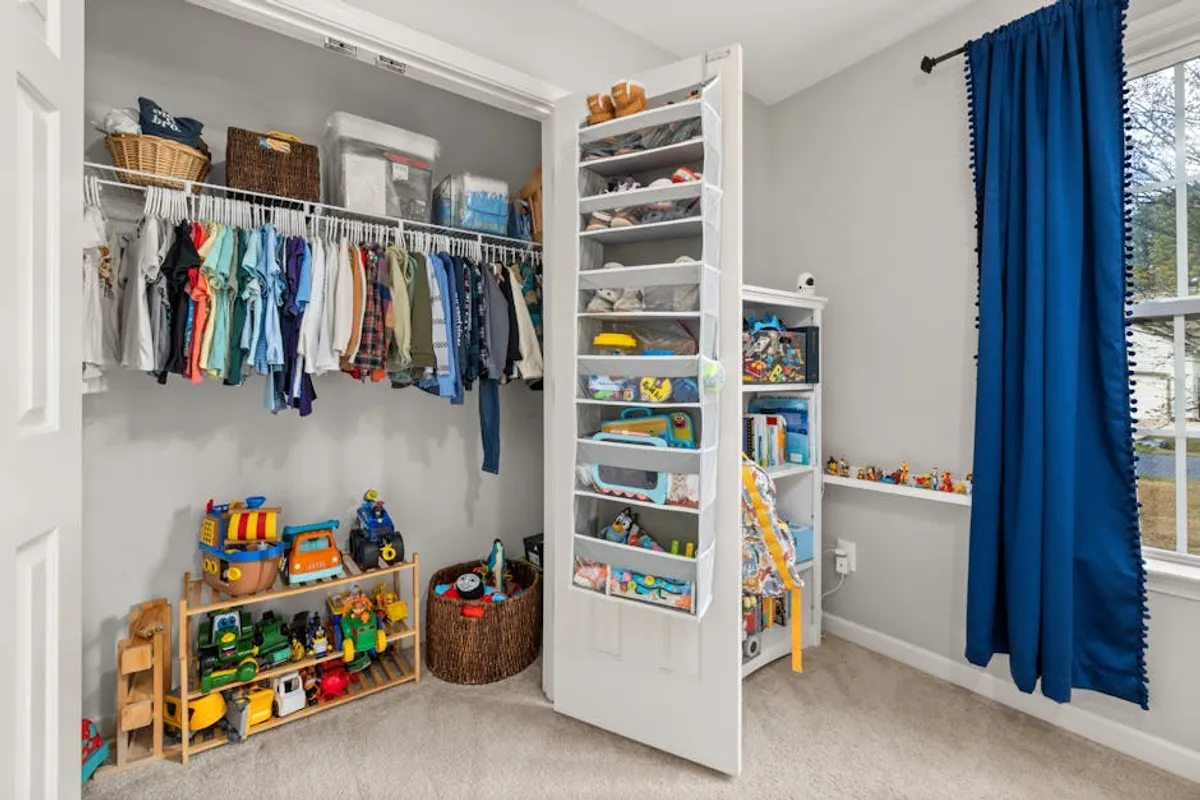
The back of a door, often an overlooked area, can provide significant storage. Over-the-door organizers with multiple clear pockets are ideal for small items like craft supplies, small figures, or doll accessories. These units require no floor space and keep items visible and contained.
Pro Tip: When installing wall-mounted storage, ensure all units are securely fastened to wall studs or with appropriate anchors. Heavy-duty hardware prevents accidental falls, especially in areas accessible to children, ensuring safety and durability.
Implementing Multi-Functional Furniture
Furniture that serves more than one purpose is invaluable in a small space, providing both utility and hidden storage.
Storage Ottomans and Benches
An ottoman with a removable lid can function as extra seating, a footrest, and a spacious container for larger toys like building blocks or dress-up clothes. Similarly, a bench with built-in drawers or a lift-top can serve as seating in a play area or entryway, while concealing a variety of items. These pieces contribute to the room's overall aesthetic while offering practical storage.
Beds with Integrated Storage
For children's bedrooms, consider beds with under-bed drawers or cubbies. Captain's beds or platform beds with integrated storage eliminate the need for separate dressers or toy bins, consolidating furniture and maximizing floor space for play. Trundle beds can also be adapted to hold shallow storage bins when the extra mattress isn't in use.
Creating Defined Play Zones
Even in a single room, establishing designated areas for play helps contain toys and signals where specific activities should occur. This minimizes toy sprawl and simplifies cleanup.
Rugs as Boundaries
A distinct rug can visually define a play zone within a larger room. Toys are encouraged to stay within this boundary during play, and at cleanup time, it's clear what belongs in that area. This subtle cue helps children understand spatial limits.
Portable Bins for Rotation
Utilize lightweight, portable bins or baskets for toy rotation. Store a portion of toys out of sight (e.g., in a closet or under a bed) and bring out a fresh selection every few weeks. This keeps play engaging and reduces the number of toys accessible at any given time, making organization simpler. When one set of toys is put away, another can be introduced, maintaining novelty without adding clutter.
Sustaining an Organized Play Area
An organization system is only effective if it can be maintained. Regular routines and age-appropriate involvement are key to long-term success.
Establish a consistent cleanup routine, ideally at the end of each play session or daily. Involve children in the process by making it a game or a shared task. Labeling bins with pictures for younger children or words for older ones helps them understand where each toy belongs. Periodically revisit the "Keep, Donate, Discard" method to reassess the toy collection, ensuring the system remains efficient as children grow and their interests shift. This proactive approach prevents accumulation and keeps the small space functional and tidy.
Frequently Asked Questions
How often should I declutter toys in a small space?
Aim for a major decluttering session every three to six months, or whenever you notice the storage system becoming overwhelmed. Smaller, ongoing purges of broken or unused items can happen weekly.
What type of storage containers work best for small spaces?
Opt for clear, stackable bins or baskets to maximize vertical space and allow visibility of contents. Fabric bins can be good for soft items, while drawer units fit under beds or in closets to contain smaller collections.
How can I get my child to help organize their toys?
Start early by making cleanup a regular part of play. Use simple, visual labels on bins, keep storage at their height, and make the process fun. Praise their efforts and allow them some autonomy in where certain toys are stored.
What if I don't have enough wall space for shelves?
Consider rolling carts that can be tucked into a corner or closet, under-bed storage boxes, or storage solutions that fit behind doors. Even shallow wall-mounted spice racks can hold small items like books or figures.