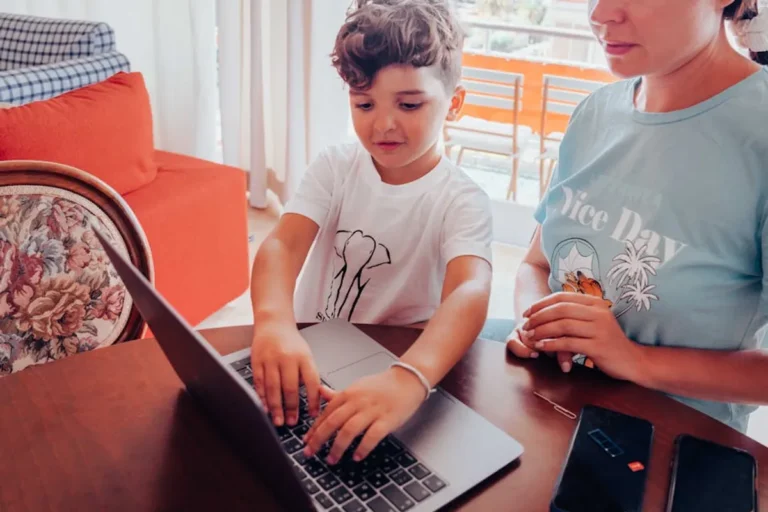

Rainy days present a common challenge for parents: how to keep children engaged, stimulated, and active without defaulting to screen time. The goal isn't merely to fill hours, but to foster creativity, develop motor skills, and encourage learning, all within the confines of home. Effective indoor activities transform a potential day of restless boredom into an opportunity for exploration and connection, providing structure and entertainment when outdoor play is impossible. This requires a curated approach to selecting activities that are both age-appropriate and genuinely captivating, ensuring children remain invested and parents avoid the pitfalls of uninspired repetition. This requires a curated approach to selecting activities that are both age-appropriate and genuinely captivating, ensuring better results than simply keeping kids engaged during breaks.
Cultivating Creativity and Artistic Expression
Engaging children in creative pursuits on a rainy day offers a structured outlet for imagination and fine motor skill development. These activities often require minimal setup and leverage common household items, making them accessible and cost-effective.
DIY Craft Stations
Setting up a dedicated craft station transforms a kitchen table into a hub of innovation. Focus on open-ended projects that allow for individual interpretation rather than strict adherence to a template. For instance, provide a box of recycled materials—cardboard tubes, egg cartons, fabric scraps, bottle caps—alongside glue, scissors, and markers. Children can construct anything from elaborate robots to miniature cities. This approach encourages problem-solving and divergent thinking, as there's no single "right" way to create.
- Sock Puppets: Old socks, buttons, yarn, and fabric glue can become characters for an impromptu puppet show.
- Cardboard Box Creations: Large boxes are ideal for building forts, cars, or even elaborate playhouses, promoting spatial reasoning and collaborative play.
- Playdough Sculptures: Homemade or store-bought playdough allows for tactile exploration and the development of hand strength. Incorporate cookie cutters, plastic knives, and rolling pins for added complexity.
Painting and Drawing Adventures
While potentially messier, painting and drawing are fundamental for artistic development. Provide various mediums—finger paints for toddlers, watercolors for preschoolers, and acrylics for older children—along with different paper types. Consider setting up an easel or taping large sheets of paper to a wall or floor to encourage full-body engagement. The focus should be on the process, not just the finished product, allowing children to experiment with color mixing and brush strokes without pressure.
Best for: Developing fine motor skills, color recognition, and emotional expression.
Stimulating Minds with Educational Play
Rainy days are excellent opportunities to integrate learning into play, often without children realizing they are engaged in educational activities. These options blend entertainment with cognitive development, reinforcing concepts learned in school or introducing new ones. These options blend entertainment with cognitive development, reinforcing concepts learned in school or introducing new ones with fun educational games for younger children.
Science Experiments at Home
Simple science experiments can be conducted with everyday kitchen ingredients, providing hands-on lessons in chemistry and physics. A classic baking soda and vinegar volcano demonstrates chemical reactions, while exploring density with different liquids (oil, water, syrup) teaches basic principles of buoyancy. These activities foster curiosity, observation skills, and the ability to hypothesize and draw conclusions.
Pro Tip: Always supervise science experiments closely, especially those involving liquids or small parts, and prepare a designated "science zone" to contain any potential mess. Lay down old towels or a plastic tablecloth to simplify cleanup and encourage bolder experimentation.
Board Games and Puzzles
Board games offer a structured way to develop strategic thinking, turn-taking, and mathematical skills. Games like Chess or Checkers challenge logical reasoning, while cooperative games encourage teamwork. Puzzles, ranging from simple knob puzzles for toddlers to complex jigsaw puzzles for older children, enhance spatial reasoning, problem-solving abilities, and hand-eye coordination. These activities also provide valuable opportunities for family interaction and communication.
Energizing Movement and Active Play
Confined spaces don't mean children have to be sedentary. Incorporating active games is crucial for burning off energy, improving gross motor skills, and maintaining physical health, even indoors.
Indoor Obstacle Courses
Transforming furniture, pillows, and blankets into an obstacle course encourages creative movement and problem-solving. Children can crawl under chairs, jump over cushions, balance on a line of tape, or weave through a "laser grid" made of string. This activity can be adapted for various age groups and space constraints, promoting agility, coordination, and endurance in a playful context.
Dance Parties and Musical Movement
A spontaneous dance party is an effective way to release energy and boost mood. Create a playlist of upbeat songs and encourage free-form dancing, or incorporate specific dance moves and games like "freeze dance." Musical chairs or charades also add structured fun, enhancing listening skills and non-verbal communication. These activities are particularly beneficial for developing rhythm and coordination.
Fostering Imagination and Role-Playing
Imaginative play is vital for social-emotional development, allowing children to explore different roles, practice empathy, and develop narrative skills. Rainy days provide the perfect backdrop for creating immersive play scenarios.
Dress-Up and Pretend Play
A designated dress-up box filled with old clothes, scarves, hats, and accessories can spark hours of imaginative play. Children can transform into doctors, astronauts, chefs, or fantastical creatures, acting out scenarios they observe or invent. This type of play helps them process emotions, understand social roles, and develop language skills through dialogue and storytelling.
Storytelling and Puppet Shows
Encourage children to create their own stories, either verbally or by staging a puppet show with their handmade puppets. Provide prompts like "Once upon a time, a brave knight met a talking dragon..." to get them started. This activity nurtures narrative structure, vocabulary, and public speaking skills. Parents can participate by asking guiding questions or acting as an audience, reinforcing the value of their child's creative efforts.
Quiet Engagements for Calm and Focus
Not all indoor activities need to be high-energy. Providing quieter options allows children to wind down, focus, and engage in more solitary or reflective play, which is equally important for their development.
Reading Nooks and Audiobooks
Create a cozy reading nook with pillows, blankets, and a selection of books. Encourage independent reading or read aloud together. Audiobooks are also an excellent resource, allowing children to immerse themselves in stories while resting or engaging in quiet play like drawing. This promotes literacy, expands vocabulary, and offers a peaceful escape.
Mindful Coloring and Journaling
Mindful coloring books, with their intricate patterns, can be a calming activity for older children, promoting focus and reducing stress. For children who can write, providing a journal and prompts can encourage self-expression and reflection. Even young children can benefit from free drawing or scribbling, which serves as a creative outlet and helps develop pre-writing skills.
Transforming Rainy Days into Rich Experiences
Approaching rainy days with a proactive mindset and a repertoire of engaging indoor activities transforms a potential challenge into an opportunity for growth and family bonding. By offering a diverse range of creative, educational, active, imaginative, and quiet options, parents can ensure children remain stimulated and happy, regardless of the weather outside. The key lies in preparation, flexibility, and a willingness to participate, making these moments memorable and beneficial for everyone involved. These structured engagements not only entertain but also contribute significantly to a child's cognitive, physical, and emotional development, reinforcing the idea that valuable learning and fun can happen anywhere.
Frequently Asked Questions
How can I prepare for a rainy day to avoid last-minute stress?
Maintain a designated "rainy day box" filled with craft supplies, unused puzzles, or new books. This ensures you have fresh, engaging options readily available, reducing the scramble for ideas when the weather turns.
What if my children get bored quickly with activities?
Offer a rotation of activities rather than expecting a single one to occupy them for hours. Introduce new elements or variations to familiar games. Involving children in the activity selection process can also increase their investment and engagement.
Are these activities suitable for children of all ages?
Many activities can be adapted for different age groups. For instance, a toddler might finger paint while an older child uses watercolors. Obstacle courses can be simplified or made more complex. The key is to adjust the complexity and supervision level to match each child's developmental stage.
How can I minimize mess with indoor activities?
Designate specific activity zones, use washable materials, and lay down old sheets, newspapers, or plastic tablecloths. Involve children in the cleanup process to teach responsibility and reinforce the idea that fun activities sometimes come with a little mess.