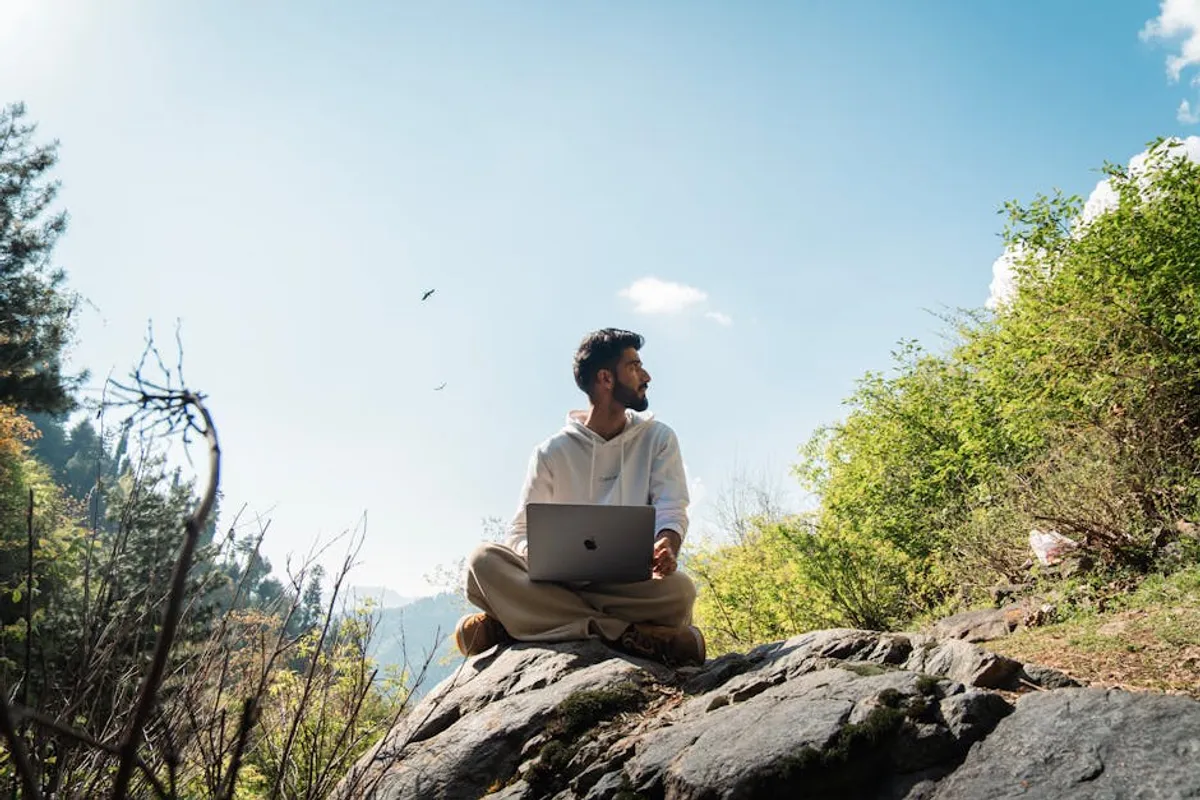
Jibhi, a tranquil valley nestled in Himachal Pradesh's Tirthan Valley, offers a distinct alternative to more frequented Himalayan destinations. Travelers seeking respite from crowded tourist hubs will find Jibhi provides a genuine immersion into mountain life, characterized by dense pine forests, gushing rivers, and traditional wooden architecture. This guide details the practicalities and highlights of planning a visit, focusing on what makes Jibhi a compelling choice for those prioritizing nature, quietude, and authentic local experiences over commercialized attractions.
Planning Your Journey to Jibhi
Reaching Jibhi requires navigating mountain roads, but the journey itself is part of the experience. The most common approach involves a combination of long-distance transport followed by local connections.
By Road: Bus and Taxi Connections
The nearest major bus station is Aut, located on the Mandi-Manali highway. Overnight Volvo buses from Delhi or Chandigarh are a reliable option, typically arriving in Aut early morning. From Aut, Jibhi is approximately 30 kilometers away. Local buses run infrequently, so pre-booked taxis or shared cabs are the most practical onward transport. These are readily available outside the Aut tunnel exit.
By Air: Nearest Airports
The closest airport is Kullu-Manali Airport (Bhuntar Airport, KUU), about 60 kilometers from Jibhi. Flights to Bhuntar are limited, primarily from Delhi. From the airport, taxis can be hired directly to Jibhi. Alternatively, Chandigarh International Airport (IXC) offers broader connectivity, but necessitates a longer road journey (approximately 8-9 hours) to reach Jibhi. From the airport, taxis can be hired directly to Jibhi or consider booking a reliable flight service.
By Train: Rail Access Limitations
There is no direct train connectivity to Jibhi. The nearest major railway stations are Chandigarh (CDG) and Ambala Cantt (UMB). From these stations, travelers must continue their journey by bus or taxi, making it a less direct option compared to flying or taking an overnight bus directly to Aut.
Accommodation Options in Jibhi
Jibhi’s lodging landscape emphasizes guesthouses, homestays, and boutique resorts, reflecting its focus on sustainable tourism and local integration. Options range from rustic to comfortably appointed, catering to different budget points.
Homestays and Guesthouses
These provide an authentic cultural experience, often including home-cooked meals. Many are run by local families who offer insights into the region. Prices are generally budget-friendly, making them ideal for long stays or travelers seeking immersion.
Riverside Cottages and Resorts
For those preferring more amenities or a scenic location, several cottages and small resorts are situated along the Jibhi River. These often feature private balconies, garden access, and sometimes offer organized activities like fishing or guided treks. Booking these in advance, especially during peak seasons, is advisable due to limited availability.
Essential Experiences and Places to Visit
Jibhi’s appeal lies in its natural beauty and the opportunity for unhurried exploration. Activities center around trekking, exploring local villages, and enjoying the serene environment.
Jibhi Waterfall
A short, easy hike from the main market leads to the Jibhi Waterfall. The path winds through dense forests, culminating in a multi-tiered cascade. It’s an accessible natural attraction, particularly refreshing during warmer months.
Serolsar Lake and Jalori Pass
Jalori Pass, situated at an altitude of 10,800 feet, is a gateway to high-altitude treks. From Jalori, a 5-kilometer trek (one-way) through dense oak and deodar forests leads to Serolsar Lake. This pristine lake is surrounded by a thick forest and is considered sacred by locals, with a temple dedicated to Budhi Nagini Devi nearby. The trek offers panoramic views of the Himalayas and is moderately challenging.
Chehni Kothi
This ancient tower, approximately 1.5 hours' trek from Jibhi, is a remarkable example of traditional Himachali architecture. Built with stone and wood, it stands as a testament to local craftsmanship and historical defense strategies. The trek offers views of the valley and surrounding villages.
Tirthan Valley River Activities
The Tirthan River, a short drive from Jibhi, is renowned for trout fishing. Permits are required and can often be arranged through local guides or guesthouses. The riverbanks also offer peaceful spots for picnicking or simply enjoying the sound of rushing water.
Local Cuisine and Dining
Jibhi's culinary scene is dominated by local Himachali dishes and North Indian staples. Most guesthouses and homestays offer meals, often prepared with fresh, local ingredients.
- Siddu: A local steamed bread, often stuffed with vegetables or paneer, served with ghee or chutney.
- Rajma Chawal: Red kidney beans curry served with rice, a staple in the region.
- Trout Fish: Freshly caught from the Tirthan River, prepared in various styles.
- Local Thalis: Platters offering a variety of Himachali curries, rice, and bread.
Small cafes in Jibhi also provide continental options and popular snacks.
Pro Tip: Mobile network coverage in Jibhi can be inconsistent, especially for data. While BSNL and Jio often have better reception, it's prudent to download offline maps and essential information before arrival. Many homestays offer Wi-Fi, but its reliability varies.
Best Time to Experience Jibhi
Jibhi offers distinct experiences across different seasons, influencing the type of activities and scenery available.
- Spring (March to May): Pleasant weather, rhododendron blooms, and ideal conditions for trekking. Temperatures are mild, making it a popular time for visitors.
- Summer (June to August): While the plains experience heat, Jibhi remains cool and green. Monsoon rains can occur from July to August, making some treks slippery but enhancing the lushness of the landscape.
- Autumn (September to November): Clear skies, crisp air, and vibrant autumnal foliage. This period is highly recommended for photography and comfortable outdoor activities.
- Winter (December to February): Jibhi transforms into a snowy wonderland. Temperatures drop significantly, and heavy snowfall can sometimes disrupt road access. It's suitable for those seeking a quiet, snow-covered retreat, but requires preparation for cold weather.
Practical Travel Tips for Jibhi
Preparing for your trip ensures a smoother and more enjoyable experience in Jibhi.
- Pack Appropriately: Layers are essential due to varying temperatures, even within a single day. Include waterproof outerwear if traveling during monsoon or winter. Comfortable walking shoes are a must for exploring.
- Cash Availability: While some establishments accept digital payments, many smaller shops and homestays operate on a cash-only basis. The nearest ATM facilities are limited, so carrying sufficient cash is recommended.
- Respect Local Customs: Jibhi is a culturally rich area. Dress modestly, especially when visiting temples or local villages, and be mindful of local traditions.
- Travel Insurance: For any mountain travel, consider comprehensive travel insurance that covers medical emergencies and trip cancellations.
- Sustainable Tourism: Help preserve Jibhi's natural beauty by minimizing waste, avoiding single-use plastics, and supporting local businesses.
Embracing the Jibhi Experience
Jibhi delivers a serene retreat for travelers seeking genuine connection with nature and local culture. Its relatively untouched landscape and focus on sustainable tourism offer a refreshing contrast to more developed destinations. By planning for transport, understanding accommodation options, and preparing for the local environment, visitors can fully immerse themselves in the tranquility and distinct charm of this Himalayan haven.
Frequently Asked Questions About Jibhi
Is Jibhi suitable for families with children?
Yes, Jibhi is generally family-friendly, especially for families who enjoy nature and outdoor activities. Shorter treks, riverside picnics, and exploring local villages are suitable. However, road journeys can be long, and some accommodations may not have extensive child-specific amenities.
What are the safety considerations for solo female travelers in Jibhi?
Jibhi is considered safe for solo female travelers. Locals are generally hospitable. However, standard precautions apply: inform someone of your itinerary, avoid late-night solo excursions, and choose reputable accommodations. Many homestays are run by families, offering a secure environment.
Are there medical facilities available in Jibhi?
Jibhi has basic medical aid facilities. For more serious medical emergencies, travelers would need to go to larger towns like Kullu or Mandi, which are a few hours' drive away. It is advisable to carry a personal first-aid kit for minor ailments.
Can I find vegetarian or vegan food options in Jibhi?
Vegetarian food is widely available in Jibhi, as many local dishes are plant-based. Homestays are usually accommodating and can prepare vegetarian meals upon request. Vegan options might require specific communication with your host or cafe staff, as dairy is common in Indian cuisine.