Crafting daily lunchboxes that are both nutritious and appealing often feels like a significant hurdle for busy parents. The challenge lies in balancing time constraints with the need for balanced meals that children will actually eat, avoiding repetitive options or processed snacks. This article provides actionable, time-efficient strategies and specific meal ideas designed to streamline the lunch-packing process, ensuring children receive varied and wholesome food without adding stress to already packed schedules.
Efficient Batch Prep and Assembly Strategies
Minimizing daily morning effort begins with strategic preparation. Dedicate a block of time, typically on a Sunday, to pre-cut vegetables, portion out snacks, and cook base proteins. This approach transforms a daily scramble into a simple assembly line, significantly reducing decision fatigue and prep time during busy weekdays.
Pre-Portioned Produce and Dips
Washing and chopping fruits and vegetables in advance ensures they are ready to grab and pack. Think beyond just carrot sticks; include bell pepper strips, cucumber slices, cherry tomatoes, and snap peas. Pair these with single-serving containers of hummus, ranch, or a homemade yogurt dip to increase appeal and nutrient intake. For fruits, pre-slice apples and dip them in lemon water to prevent browning, or portion berries and grapes into small containers.
Time-saving tip: Use a crinkle cutter for vegetables like carrots and cucumbers. The ridged edges can make familiar foods more engaging for children.
Cook-Ahead Proteins
Proteins are critical for sustained energy. Prepare a batch of hard-boiled eggs, roast a chicken breast, or cook a pot of lentils or chickpeas at the start of the week. These can then be incorporated into various lunch components: sliced eggs for a quick protein boost, shredded chicken for wraps or salads, or legumes for a vegetarian pasta salad. This eliminates the need for last-minute protein cooking.
No-Cook and Minimal-Assembly Lunchboxes
Some of the simplest lunch solutions require no cooking at all, relying on intelligent combinations of readily available ingredients. These options are particularly valuable on mornings when time is critically short.
Deconstructed "Lunchables"
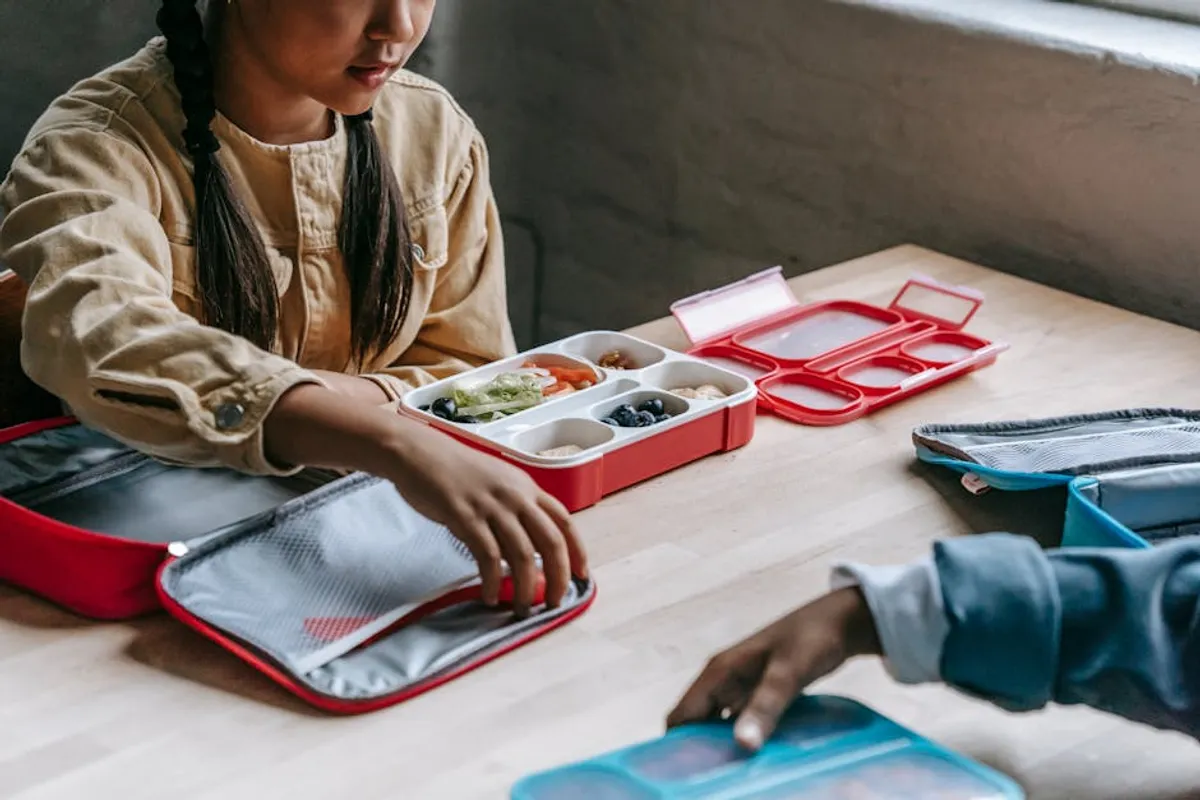
Instead of pre-packaged versions, create your own healthier, customizable kits. Provide whole-grain crackers, slices of cheese (cheddar, mozzarella, provolone), and deli meat (opt for low-sodium, nitrate-free options) or even leftover cooked chicken. Separate compartments prevent sogginess and allow children to assemble their meal, which can increase engagement.
- Whole-grain crackers or pita bread triangles
- Cheese cubes or slices
- Lean protein: turkey, ham, or roasted chicken slices
- Cucumber rounds or mini bell pepper strips
- Small container of hummus or cream cheese
Yogurt Parfait & Granola
Layering yogurt, fruit, and granola in a container offers a balanced, appealing meal. Pack the granola separately to prevent it from becoming soggy. Greek yogurt provides higher protein content, while berries or sliced bananas add natural sweetness and fiber. Consider adding a sprinkle of chia seeds or flax seeds for extra nutrients.
Pro Tip for Food Safety: Always use an insulated lunch bag with at least one ice pack, especially for perishable items like yogurt, cheese, and deli meats. Food should remain below 40°F (4°C) to prevent bacterial growth. If packing warm leftovers, ensure they are reheated to 165°F (74°C) before packing in an insulated thermos that will keep them hot until lunchtime.
Creative Wraps, Sandwiches, and Leftovers
Moving beyond the standard sandwich can introduce variety and make lunches more exciting. Repurposing dinner leftovers is another efficient strategy.
Pinwheels and Roll-Ups
Tortillas or flatbreads are versatile bases. Spread with cream cheese, hummus, or a thin layer of pesto, then layer with finely chopped vegetables (spinach, grated carrots), deli meat, or cheese. Roll tightly and slice into pinwheels. This format is often more appealing to children than a traditional sandwich and easy for small hands to manage.
Pasta and Grain Salads
Cook a larger batch of pasta, quinoa, or couscous. Mix with chopped vegetables (cucumber, bell peppers, cherry tomatoes), a protein source (chickpeas, shredded chicken, feta cheese), and a light vinaigrette. These salads hold up well in a lunchbox and are excellent for using up small amounts of leftover ingredients. Ensure the dressing is not overly heavy to avoid making the salad soggy.
Smart Leftovers
Transforming dinner leftovers into lunchbox-friendly meals is a cornerstone of efficient packing. Portions of pasta with sauce, stir-fries, chili, or even soup can be packed in a thermos. For best results, reheat the food thoroughly in the morning and pre-warm the thermos with hot water for a few minutes before adding the hot meal. This helps maintain temperature until lunchtime.
Considerations: Ensure leftovers are cooled quickly after dinner and stored properly in the refrigerator. Only pack items that can be safely reheated or consumed at room temperature if a thermos isn't used.
Making Lunchboxes Engaging and Balanced
Beyond the core components, small additions can elevate a simple lunchbox, making it more appealing and nutritionally complete.
The "Something Sweet, Something Crunchy" Rule
Include a small treat, such as a few chocolate chips, a mini cookie, or a piece of fruit leather, alongside a crunchy item like whole-grain pretzels, roasted chickpeas, or a small handful of nuts (if permitted by school policy). This adds variety and addresses different textural preferences, increasing the likelihood that the entire lunch will be eaten.
Hydration and Presentation
Always include a reusable water bottle. For presentation, consider silicone cupcake liners to separate foods, fun food picks, or cookie cutters to shape sandwiches or cheese. These small details can make a significant difference in how children perceive their lunch.
Sustaining the Lunchbox Routine
Consistency and flexibility are key to making simple lunchbox ideas a sustainable part of your routine. Involve children in the process where appropriate, allowing them to choose from pre-approved options. This fosters independence and increases their investment in what they eat.
Maintain a rotating list of successful lunchbox combinations. Documenting what works and what doesn't helps refine your approach over time, reducing guesswork. Remember that some days will be more elaborate than others, and that's perfectly acceptable. The goal is consistent, wholesome nourishment, not perfection every single day.
Frequently Asked Questions
How can I keep lunchbox food fresh and appealing until lunchtime?
Use an insulated lunch bag with an ice pack for cold items. For warm food, preheat a good quality thermos with hot water before adding the hot meal. Pack crunchy items separately from moist foods to prevent sogginess.
What are effective strategies for picky eaters?
Involve them in the packing process by letting them choose from two healthy options. Deconstruct meals into separate components, allowing them to assemble their own food. Introduce new foods alongside familiar favorites in small portions.
How do I ensure a balanced lunchbox without complex recipes?
Aim for a protein source (cheese, meat, eggs, beans), a whole grain (bread, crackers, pasta), a fruit, and a vegetable. Simple combinations of these elements, like cheese and crackers with apple slices and carrot sticks, are often sufficient.
Can I use dinner leftovers for lunchboxes?
Absolutely. Leftovers like pasta, stir-fries, or chili are excellent lunch options. Ensure they are cooled quickly after dinner, stored properly, and reheated thoroughly (to 165°F/74°C) before packing into a pre-warmed thermos to maintain a safe temperature.